

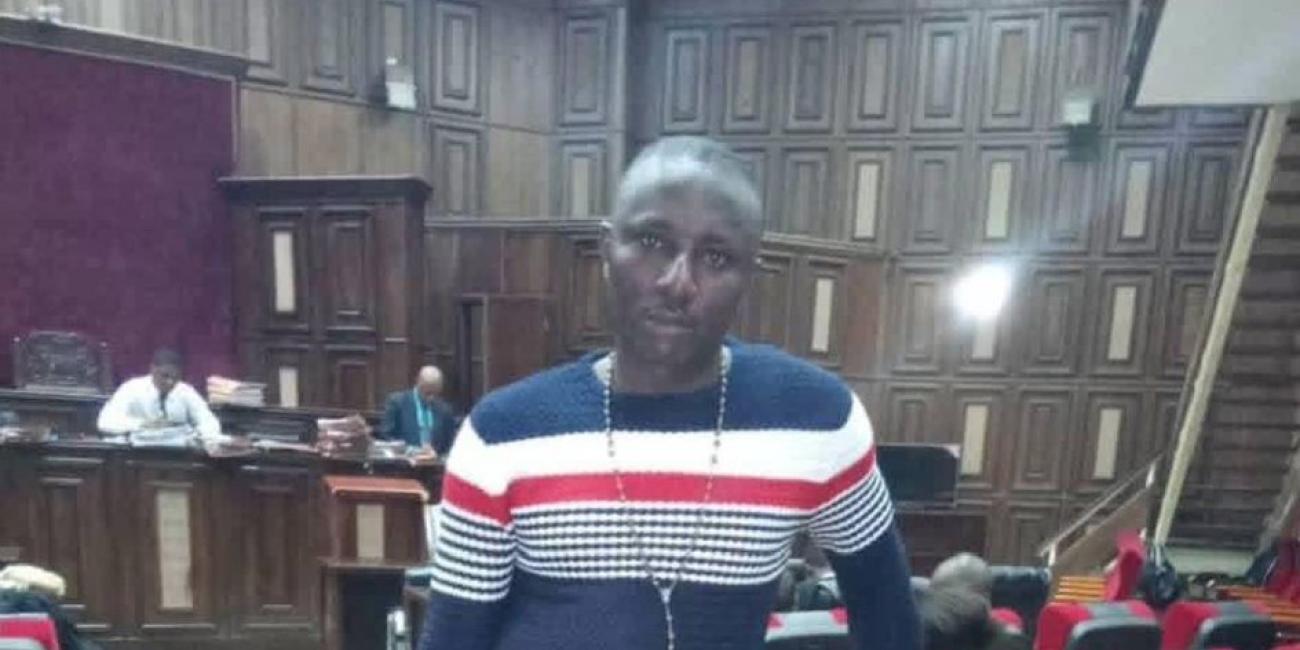
A convicted kidnapper and armed robbery leader, Kelvin Prosper Oniarah, widely known as Kelvin Ibruvwe, has regained freedom after being listed among inmates granted presidential clemency by President Bola Ahmed Tinubu.
Sponsored Ads
Kelvin, 44, was one of Nigeria’s most feared criminals in the early 2010s, leading a deadly gang responsible for multiple kidnappings, robberies, and killings across the South-South and South-East regions. His operations left a trail of violence, targeting civilians, security operatives, and high-profile figures.
Sponsored Ads
He was arrested on September 25, 2013, in Port Harcourt by a joint team of the Department of State Services (DSS) and the Nigerian Army after years on the run. Before his capture, he had issued a 60-day ultimatum to the Federal Government, threatening bloodshed if his detained gang members were not released.
Security agencies at the time linked him to several major kidnappings, including that of human rights lawyer Mike Ozekhome (SAN) on the Auchi–Benin highway, a female FIRS official, an Edo State judge, and former Anambra Deputy Governor Dr. Chudi Nwike, who was later killed while in captivity. Several NYSC members and security personnel also lost their lives during his reign of terror.
Investigations showed that Kelvin maintained multiple detention camps across the Niger Delta and Middle Belt, including in Warri and Kokori in Delta State, Ugbokolo in Benue, Benin City in Edo, and Aba in Abia State. His network was described as one of the most dangerous criminal syndicates of that era.
RELATED STORIES
Related Posts
Despite the severity of his crimes, Kelvin was among the 147 individuals granted clemency under Tinubu’s presidential pardon. The amnesty, which included drug convicts, kidnappers, and former public officials, has drawn criticism from rights groups and opposition figures, who called it a threat to national security and justice.
The clemency, announced after a Council of State meeting, was based on recommendations by the Presidential Advisory Committee on the Prerogative of Mercy led by Attorney-General of the Federation Lateef Fagbemi (SAN). The Presidency described the gesture as an act of compassion and national reconciliation.
Out of 175 names considered, 147 received full or partial pardons, commutations of death sentences to life imprisonment, or sentence reductions. Those honoured posthumously included Sir Herbert Macaulay, Ken Saro-Wiwa, Major-General Mamman Vatsa, and members of the Ogoni Nine executed under military rule.
Also listed were several white-collar offenders such as former lawmaker Farouk Lawan, ex-University of Maiduguri Vice Chancellor Professor Magaji Garba, former ICPC convict Barrister Hussaini Alhaji Umar, and ex-SUBEB boss Ayinla Saadu Alanamu.
The release of Kelvin Ibruvwe under the same exercise has reignited debate over Nigeria’s justice system and the moral basis of granting clemency to convicts whose crimes once terrorised entire regions.

Comments are closed.