

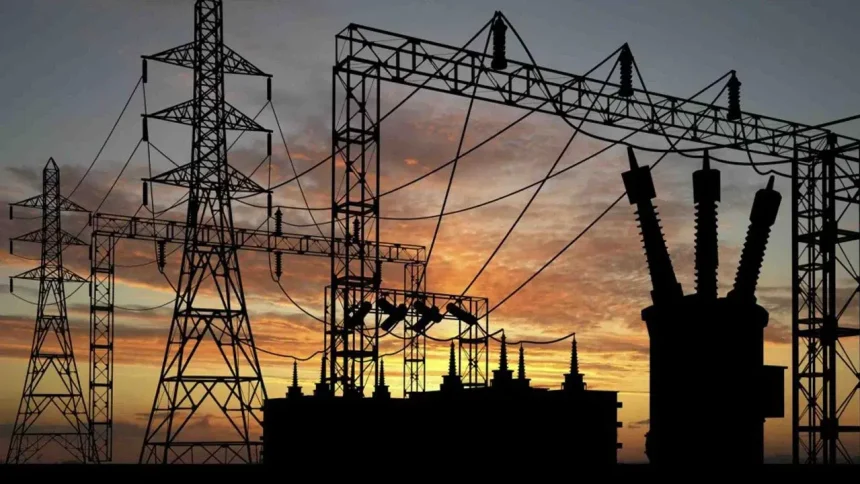
Former Managing Director of the Transmission Company of Nigeria (TCN), Usman Mohammed, has blamed years of poor decisions, weak leadership, and corruption for Nigeria’s continued electricity problems.
Sponsored Ads
Speaking during an interview on Oseni Rufai’s Nevon Podcast, Mohammed said the country has continued to repeat the same mistakes instead of fixing the issues affecting the power sector. According to him, many reforms have failed because they were not properly planned and were handled by people who lacked the needed knowledge and experience.
Sponsored Ads
He said governments have often rushed into major decisions without carrying out enough research or preparing properly. This, he explained, has led to policies that failed to deliver lasting improvements in electricity supply.
Mohammed also linked the poor state of the sector to the appointment of people who were not qualified to manage key areas of the industry. He added that corruption has also slowed progress and made it difficult for reforms to produce the expected results.
RELATED STORIES
Related Posts
The former TCN boss recalled that the administration of former President Olusegun Obasanjo made efforts to improve electricity supply, but those plans were unable to solve the long-standing problems facing the sector.
Nigeria has continued to struggle with unreliable electricity for many years, even after the power sector was privatised. Homes and businesses across the country still experience frequent blackouts, forcing many to depend on generators and other alternative sources of electricity.
The country currently generates between 3,000 and 6,000 megawatts of electricity for a population estimated at about 250 million people. The wide gap between electricity demand and supply remains one of the biggest challenges facing Nigeria’s power sector, with many consumers still waiting for steady and reliable power.

Comments are closed.