

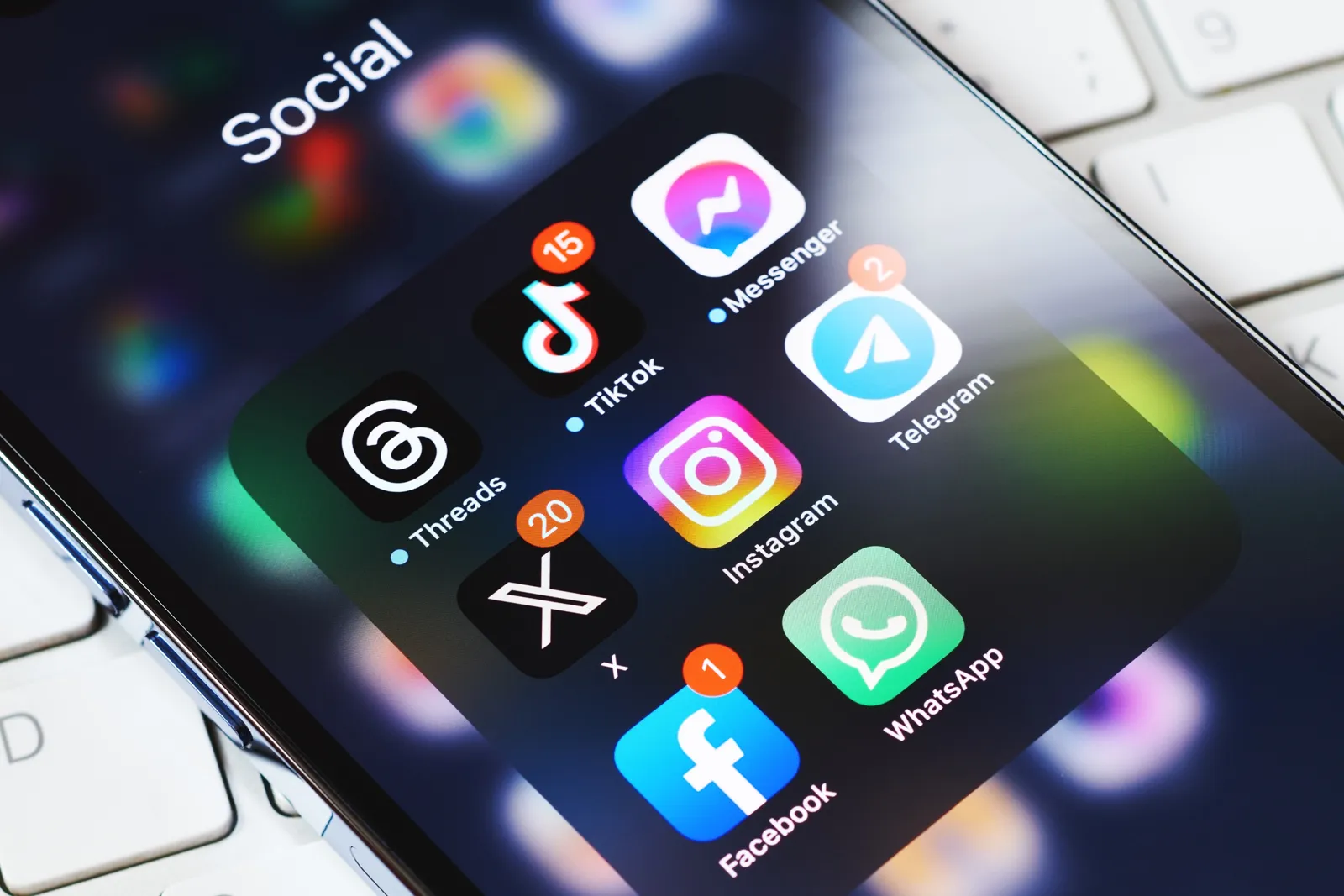
The number of countries introducing restrictions on children’s access to social media has continued to grow over the past two years, as governments respond to concerns over cyberbullying, harmful online content, internet predators and excessive screen time.

Sponsored Ads
Australia became the first country to introduce a nationwide social media ban for children under the age of 16, paving the way for similar measures in Europe, Asia, the Middle East and the Americas. Since then, several nations have either enforced age-based restrictions or passed laws awaiting implementation.
Sponsored Ads
Supporters believe the policies will improve children’s safety and mental wellbeing online. However, critics argue that outright bans may not solve the problem. Telegram founder Pavel Durov recently warned that such restrictions could drive teenagers towards VPN services and less regulated corners of the internet instead of protecting them.

LIST OF APPLICATIONS FOR REGULARISATION OF AREA COUNCIL LAND DOCUMENTS NULLIFIED/CANCELLED BY THE HONOURABLE MINISTER OF FCT
According to Durov, banning teenagers from social media may expose them to greater online risks because many will simply bypass restrictions using VPNs. He pointed to Russia’s previous ban on Telegram, noting that most teenagers continued using the platform through VPNs. He also argued that parental controls, screen-time limits and delaying smartphone ownership are more effective ways for parents to manage children’s digital habits than government bans.
Below are the countries that have officially introduced or announced nationwide restrictions in chronological order:
1. Australia (December 2025)
Australia became the first country to enforce a nationwide social media ban for children under 16 after the law came into effect in December 2025.
The law prevents anyone under 16 from opening or keeping accounts on platforms including TikTok, Instagram, Facebook, X, Snapchat, Reddit and YouTube. Parents cannot override the restriction by giving consent.
Technology companies are required to verify users’ ages through approved systems such as facial recognition or identity verification, with heavy penalties for companies that fail to comply.
2. Indonesia (March 2026)
Indonesia became the first Asian nation to introduce a nationwide social media restriction for users under 16 when its policy took effect in March 2026.
The regulation covers platforms including TikTok, Instagram, Threads, YouTube and Roblox. Companies are required to identify and remove underage accounts as part of the country’s child online protection programme.
3. Brazil (March 2026)
Brazil introduced tighter online safety regulations in March 2026 by making age verification compulsory for social media users.
Children under 16 must have their accounts linked to a parent or legal guardian. The reforms also ban minors from accessing certain gaming features, including loot boxes, extending online safety measures beyond social media.
4. Malaysia (June 2026)
RELATED STORIES
Related Posts
Malaysia began enforcing new online safety rules in June 2026.
Major digital platforms serving millions of users must use electronic Know-Your-Customer (eKYC) systems to stop children under 16 from creating or operating social media accounts. The policy forms part of the country’s wider online safety framework.
5. United Arab Emirates (June 2026)
The United Arab Emirates became the first Arab nation to approve a nationwide social media restriction for children after announcing a ban on social media accounts for users below 15 years of age in June 2026.
Digital platforms have one year to introduce compulsory age verification systems. The policy also provides stronger privacy settings and screen-time protections for users aged 15 and 16.
6. United Kingdom (June 2026)
The United Kingdom announced plans in June 2026 to stop children under 16 from using major social media platforms, with implementation expected in 2027.
The proposal affects TikTok, Instagram, Facebook, Snapchat, X and YouTube. It also limits minors’ access to certain livestreaming platforms and AI companion chatbots. Messaging services such as WhatsApp and Signal are excluded from the proposal.
7. France (July 2026)
France became the first European country to approve legislation banning children under 15 from opening social media accounts after lawmakers passed the bill on July 21, 2026.
The law is scheduled to take effect on September 1, 2026. Existing users below 15 will also have to close their accounts or complete the required age verification process.
Several other countries are also moving towards similar restrictions, although their policies have not yet taken effect.
Turkey has passed legislation restricting social media access for children under 15, but it is still awaiting presidential approval.
Greece has announced plans to introduce a nationwide social media restriction for children under 15.
Denmark is preparing legislation that would introduce a minimum age requirement for social media users.
Spain, Norway, Portugal, Canada, New Zealand and several other countries are reviewing similar proposals or considering raising the digital age of consent as part of wider efforts to improve online safety for children.

Comments are closed.