
Tinubu Appoints Abubakar Yusuf NERC Commissioner Despite Failed Competency Test

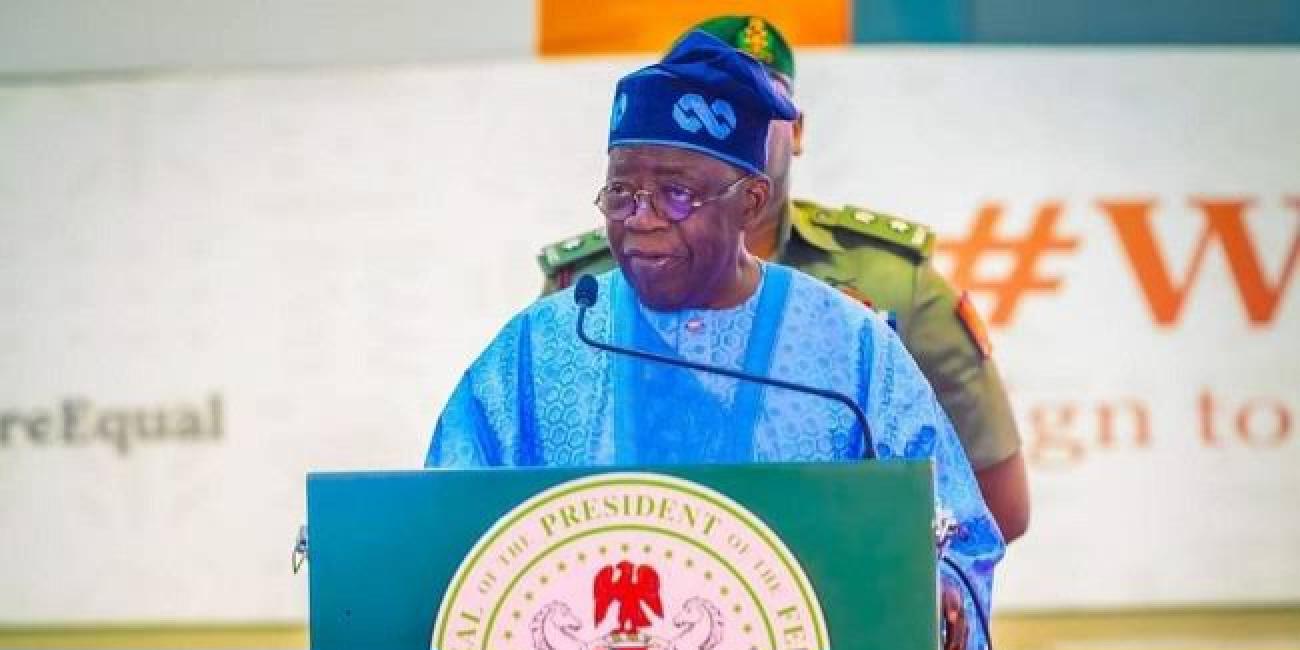
President Bola Tinubu’s administration has stirred controversy after appointing Abubakar Yusuf as a Commissioner in the Nigerian Electricity Regulatory Commission (NERC), despite reports that he previously failed a key competency assessment conducted by the same agency.
Sponsored Ads
Sources familiar with the matter revealed that Yusuf earlier appeared before NERC’s regulatory panel for the Know-Your-Licensee (KYL) interview, a mandatory test for candidates seeking to lead power distribution companies in Nigeria. The session, overseen by the NERC Chairman and Commissioners, was meant to evaluate candidates on technical knowledge, regulatory experience, and strategic understanding of the power industry.
Sponsored Ads
However, insiders said Yusuf struggled to respond to critical questions on power regulation, tariff frameworks, consumer protection, and energy distribution. Following the session, the panel reportedly judged him unfit for the position due to his poor performance.
Despite that verdict, Yusuf has now been appointed as a NERC Commissioner—a position with broad authority over electricity regulation and policy enforcement. The decision has sparked discontent among stakeholders, who see it as politically driven rather than merit-based.
RELATED STORIES
Related Posts
Industry observers believe the appointment may be linked to efforts to strengthen political alliances in Kano ahead of the 2027 elections. A source described the move as “deeply troubling,” arguing that such appointments erode professionalism and weaken public trust in Nigeria’s institutions.
Critics say the development underscores broader concerns about governance under Tinubu’s administration, where political loyalty appears to outweigh technical competence. They warn that placing unqualified individuals in sensitive regulatory roles could worsen the challenges already facing Nigeria’s struggling power sector.
The sector continues to battle liquidity shortages, high losses, and poor service delivery. In a related development, the Abuja Electricity Distribution Company (AEDC) recently laid off about 800 employees as part of an internal restructuring process. The retrenchment, which began on November 5, 2025, followed months of negotiation between management and electricity workers’ unions, who initially opposed any job cuts.
The mass layoff has further unsettled the power industry, where companies are struggling to stay afloat amid mounting debts, low revenue collection, and increasing operational costs. Analysts warn that the combination of political interference and economic strain could deepen the crisis in Nigeria’s electricity supply chain.
Yusuf’s appointment, many say, now raises a crucial question about the government’s commitment to meritocracy and reform in one of the nation’s most troubled sectors.

Comments are closed.