

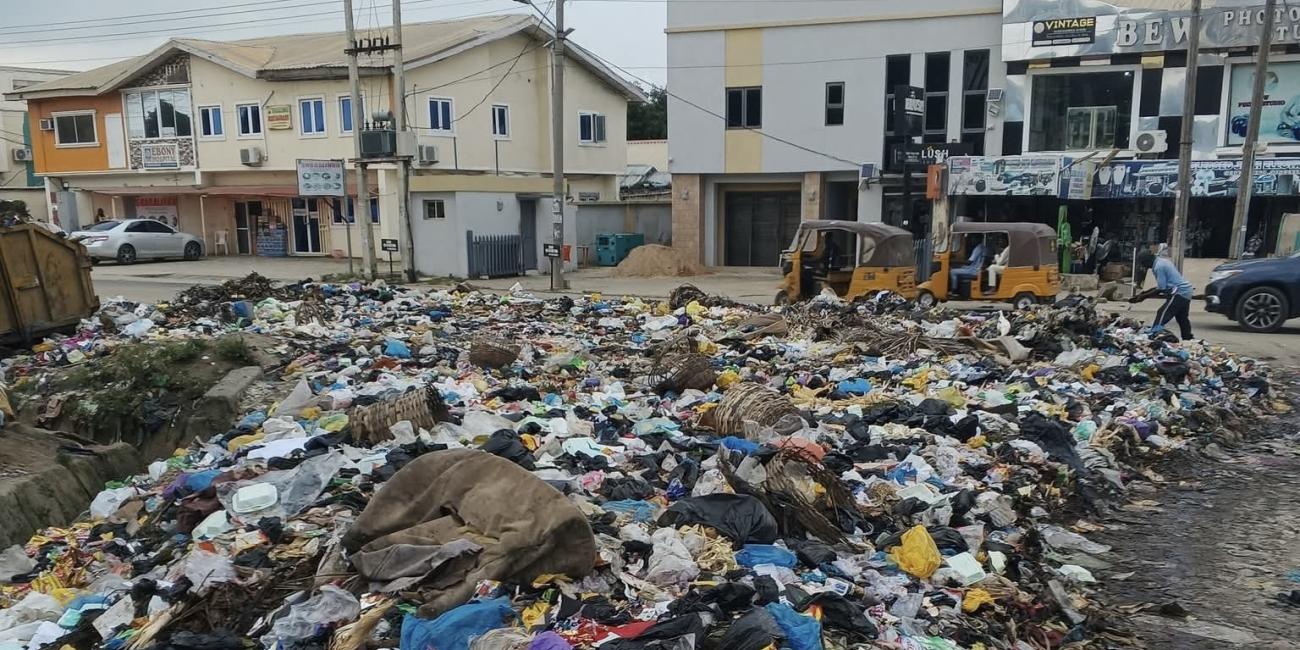
Heaps of uncollected refuse have taken over Nigeria’s capital, Abuja, raising public health fears and anger among residents and business owners.
Sponsored Ads
From Wuse to Garki, Maitama, Jabi, Nyanya, Karu, Kubwa, Kuje and Lugbe, garbage now litters streets, open spaces, and major roads, spreading foul odours and attracting flies, rats, and stray animals. The city centre, Abuja’s commercial hub, is worst affected, with makeshift dumpsites growing into mountains of waste.
Sponsored Ads
At Jabi Park, near the Rock of Ages Mall, traders and commuters complain of unbearable stench and the risk of cholera, malaria, and other epidemics. “Everywhere you turn, you see heaps of garbage. We are worried that diseases might spread if this continues,” said Mrs. Rafat Yusuf, a trader in Wuse Market.
RELATED STORIES
Related Posts
Residents say the problem has persisted for weeks. “Nobody has come to collect refuse in my area. The waste bins are overflowing, and now people are dumping trash by the roadside,” lamented John Akpan, a resident of Kubwa.
Health experts warn that Abuja is sitting on a “public health time bomb.” Dr. John Oche, an Abuja-based physician, cautioned that uncontrolled waste could fuel outbreaks of cholera, typhoid, malaria, and Lassa fever if urgent steps are not taken.
Investigations show that many private waste contractors under the Abuja Environmental Protection Board (AEPB) have withdrawn their services over months of unpaid fees. The AEPB admitted to operational challenges but promised efforts were underway to restore normal collection.
Environmental activists are demanding accountability, saying Abuja’s global image is being stained by neglect. Meanwhile, residents have appealed to the FCT Administration and contractors to urgently resume waste collection, warning that further delays could overwhelm the city’s fragile health system.

Comments are closed.