

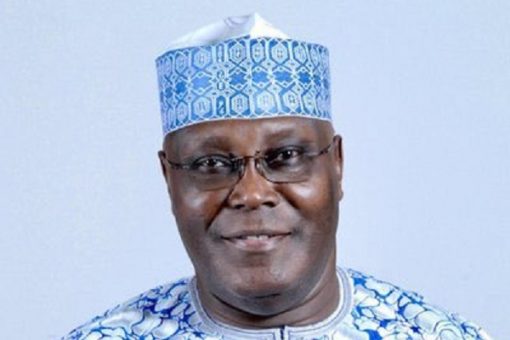
The African Democratic Congress (ADC) has explained why its presidential candidate, Atiku Abubakar, did not attend the G-100 opposition summit held in Abuja.
Sponsored Ads
The party said Atiku’s absence should not be interpreted as a lack of commitment to the ongoing efforts by opposition parties to form a stronger alliance ahead of the 2027 general election.
Sponsored Ads
ADC National Publicity Secretary, Bolaji Abdullahi, explained that the summit was mainly designed for political parties to discuss areas of cooperation rather than for presidential candidates to negotiate among themselves.
According to him, the party was adequately represented at the meeting, making Atiku’s physical presence unnecessary.
Abdullahi said several ADC officials, including four of its national vice chairmen, attended the summit and participated in the discussions on behalf of the party.
The G-100 summit, held on Monday at the Shehu Musa Yar’Adua Centre in Abuja, brought together representatives of six opposition political parties to discuss possible areas of cooperation ahead of the 2027 elections.
RELATED STORIES
Related Posts
The meeting formed part of broader efforts to develop a framework that could enable opposition parties to work together against the ruling All Progressives Congress (APC).
Several prominent opposition figures, however, were absent from the gathering. Apart from Atiku, the list included Nigeria Democratic Congress (NDC) presidential candidate Peter Obi, Allied Peoples Movement (APM) representatives and Oyo State Governor Seyi Makinde.
The summit was attended by some presidential candidates, including Donald Duke of the Peoples Redemption Party (PRP) and Adewole Adebayo of the Social Democratic Party (SDP).
The G-100 has been pushing for greater cooperation among opposition parties, arguing that division among political groups could make it difficult to defeat the APC in the 2027 presidential election.
Atiku has previously expressed support for efforts aimed at creating a united opposition front. His absence from the summit, therefore, generated questions over his position on the coalition process.
The ADC, however, maintained that its participation through its senior officials demonstrated that the party remained involved in the discussions.
The party’s explanation also suggests that the question of individual presidential candidates and the selection of a common candidate could be addressed at a later stage, after the participating parties have agreed on the broader structure of their cooperation.

Comments are closed.