

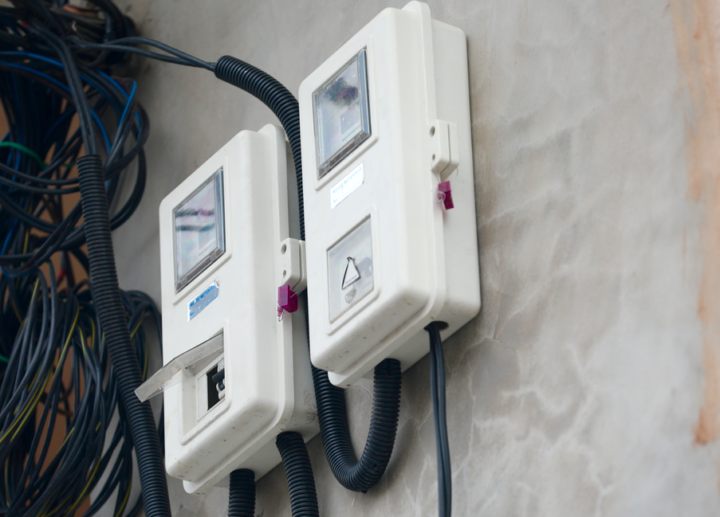
The Nigerian Independent System Operator (NISO) has waded into the ongoing dispute between the Enugu State Electricity Regulatory Commission (EERC) and the Enugu Electricity Distribution Company (EEDC) following the recent cut in electricity tariff in the state.
Sponsored Ads
On July 21, the EERC reduced the Band A tariff in Enugu from ₦209 to ₦160 per kilowatt-hour, a move that drew protests from electricity distribution and generation companies. The commission said the decision was aimed at addressing prolonged power shortages in some parts of the state.
RELATED STORIES
Related Posts
Sponsored Ads
Speaking at a stakeholders’ meeting in Abuja on Wednesday, NISO’s managing director, Abdu Mohammed, warned that the standoff could destabilise the national electricity market. He revealed that EEDC had responded to the tariff cut by curtailing power supply to Enugu by as much as 50 percent, a step he said could have serious implications for operations at the Transmission Company of Nigeria and other distribution networks.
Mohammed noted that the tariff dispute raises concerns about its impact on system operations, commercial arrangements, and the financial stability of the entire power sector. He explained that NISO’s intervention was in line with its mandate under the Electricity Act 2023 to administer the wholesale electricity market, enforce market rules, ensure contractual compliance, and safeguard the financial and operational integrity of the grid.
He stressed that NISO’s role is to maintain both commercial balance and technical stability in the electricity market, assuring stakeholders that the agency is approaching the matter with neutrality. Mohammed also recognised the legal authority of the EERC to regulate within its jurisdiction and the responsibility of EEDC to serve its customers, while reiterating NISO’s statutory duty as a quasi-regulator of market operations.

Comments are closed.