

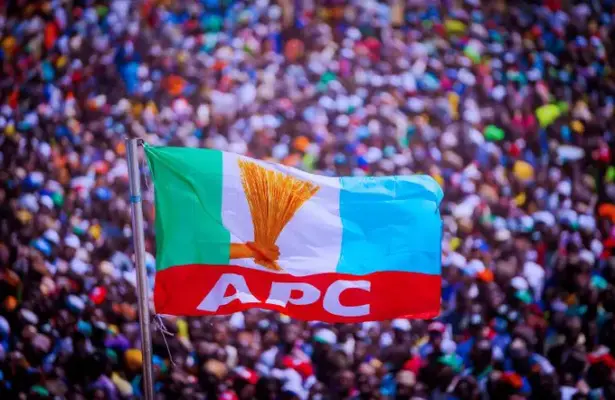
Concerns are growing over the safety and credibility of Nigeria’s 2027 general elections following a series of controversial comments attributed to some members and supporters of the All Progressives Congress (APC).
Sponsored Ads
The remarks, made by some political figures and party supporters, have been criticised as intimidating and capable of putting pressure on voters to support the ruling party.
Sponsored Ads
One of the incidents involved Osun East Senator Francis Fadahunsi, who was accused of threatening members of the Accord Party in Ilesa ahead of the Osun State governorship election. The senator later withdrew the statement and apologised for the threat against opposition members.
Another controversy involved an aide to the chairman of Kuje Area Council, who was reported to have warned residents against refusing to support President Bola Tinubu and APC candidates. The statement generated reactions over concerns that residents could feel pressured to vote for the ruling party.
A similar controversy emerged in Borno State following comments attributed to the Commissioner for Youth and Sports Development, Sainna Buba.
In a video that circulated online, Buba was accused of suggesting that force could be used against people who refused to support the APC in the 2027 elections. He was also reported to have threatened people who declined to vote for the party.
The development added to concerns about the tone of political campaigns as parties begin preparations for the 2027 elections.
In Yobe State, APC chairman Muhammad Gadaka also came under criticism after he was reported to have told women whose husbands prevented them from voting for the APC to leave their marriages and that he would marry them.
Gadaka later withdrew the statement and apologised. He explained that the comment was made as a joke and should not be taken seriously.
The concerns have also extended beyond political statements to activities surrounding campaign rallies.
At an APC rally in Kano on Saturday, some individuals described as suspected thugs were reportedly seen moving around the roads carrying dangerous weapons while security personnel monitored the area.
A journalist who attended the rally, Tijjani Muhammad, said the presence of the suspected thugs caused fear among some participants at the Sani Abacha Stadium, where the event was held.
Videos circulated online also appeared to show individuals moving along roads during the rally. In one of the videos, a person was seen attempting to forcefully take a phone from a passenger travelling in a commercial tricycle.
RELATED STORIES
Related Posts
The developments have raised questions about the ability of political parties and security agencies to prevent intimidation and violence as the 2027 election approaches.
Legal experts have maintained that Nigerians have the constitutional right to freely choose their political representatives without threats or coercion.
A lawyer and social commentator, Ibrahim Kiyawa, said Nigerian electoral laws protect voters from intimidation and other forms of pressure aimed at influencing their choices at the polls.
He said citizens have the right to associate freely, belong to political parties of their choice and elect the candidates they prefer.
Kiyawa also noted that political participation must remain within the limits of the law, particularly where activities could threaten public peace and national security.
He urged politicians and political parties to control their supporters and ensure that campaign activities do not result in harassment, threats or violence against opponents and voters.
According to him, the Electoral Act does not permit politicians to intimidate or force Nigerians to vote for or against particular candidates.
He also called on security agencies to enforce the law and protect citizens whose rights may come under threat during the election period.
An activist and journalist in Kano, Mamman Buhari, expressed concern that threatening political statements could discourage some Nigerians from participating in the election.
He warned that widespread fear could contribute to voter apathy and create an environment where political thugs and party supporters dominate polling locations.
Buhari also expressed concern that political tensions could become worse as the 2027 election draws closer, particularly in parts of Northern Nigeria where previous elections have sometimes been affected by violence and intimidation.
The growing concerns come as political activities intensify across the country. The Independent National Electoral Commission (INEC), security agencies and the Federal Government have continued to assure Nigerians that the 2027 elections will be free, fair and credible.
However, the series of controversial remarks and reports of intimidating behaviour have renewed questions about the conduct of political campaigns and the protection of voters.
With parties already mobilising support across the country, political leaders and their supporters face increasing pressure to ensure that their campaigns do not create fear among voters or undermine confidence in the electoral process.

Comments are closed.