

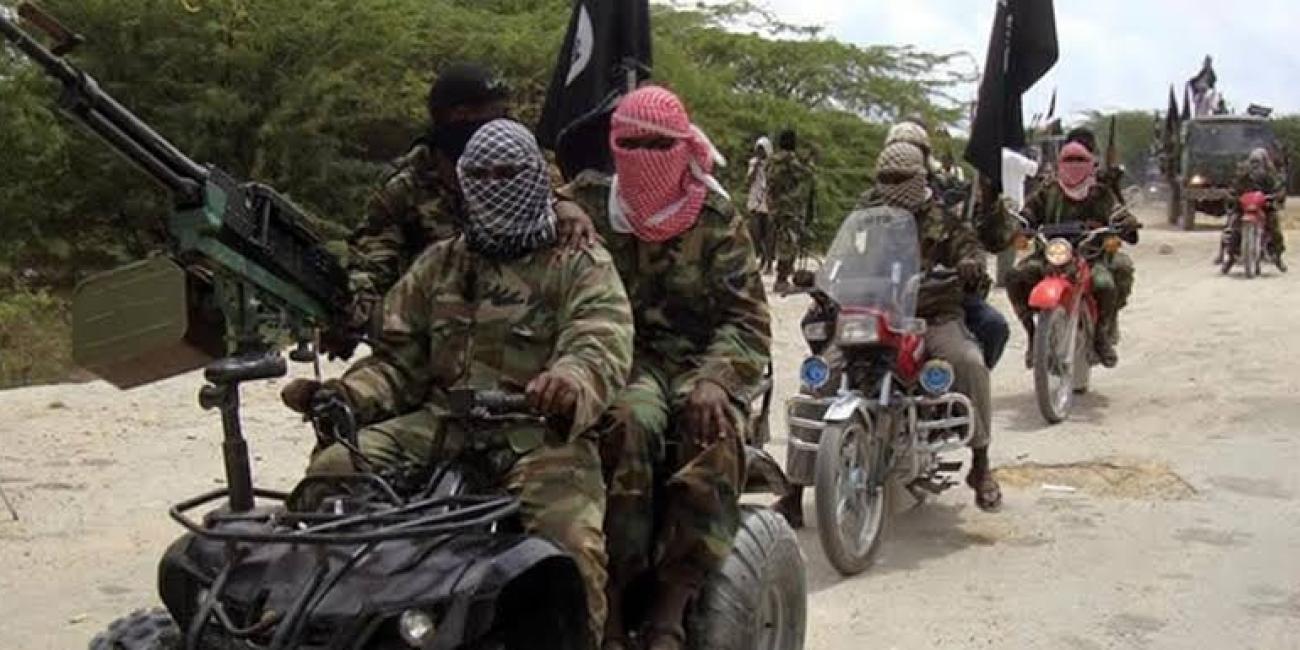
A report by The New York Times has revealed that Boko Haram members reportedly used artificial intelligence tools to improve their attacks, produce weapons and strengthen their operations.
Sponsored Ads
The report stated that former insurgents relied on several AI platforms, including ChatGPT, Claude, Gemini, Grok and DeepSeek, to obtain information that supported their activities.
Sponsored Ads
It said terrorism and technology researcher Antonia Juelich of the University of Cambridge interviewed former Boko Haram commanders, who explained how the group turned to AI after one of its planned attacks on a military base was stopped by a defensive trench.
According to the report, the fighters used AI to find ways to overcome such barriers. The technology suggested methods for modifying motorcycles so they could cross the trenches.
The report added that the group’s mechanics upgraded motorcycles to improve their speed and acceleration, while fighters rehearsed the riding techniques before carrying out operations.
RELATED STORIES
Related Posts
Former members also disclosed that they used AI to obtain information on making explosive devices. They said the tools provided detailed instructions that reduced the need for risky trial-and-error methods.
The report stated that some of the insurgents believed AI helped them improve the power of their explosives by recommending different chemical combinations that produced stronger blasts.
Following the publication, OpenAI said the reported use of its platform by terrorists violated the company’s policies.
Google and Anthropic also said their AI systems include safety measures designed to reject requests that could cause harm or support illegal activities.
However, the former insurgents told the researcher that they were often able to get around those safeguards by presenting their requests as harmless or legitimate projects rather than dangerous ones.

Comments are closed.