

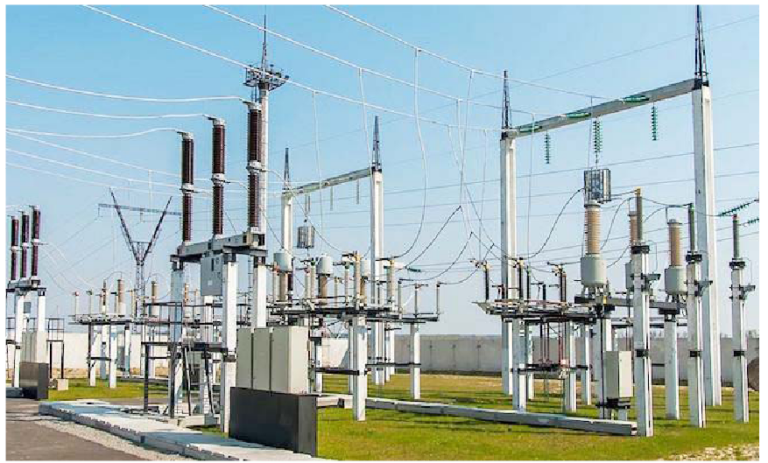
A fresh crisis is unfolding in Nigeria’s power sector as disputes over electricity tariff control pit federal and state regulators against each other.
Sponsored Ads
The controversy began after the Enugu State Electricity Regulatory Commission (EERC) slashed the Band A tariff from N209/kWh to N160/kWh, directing MainPower Electricity Distribution Company to implement the new rate from August 1. This move has drawn backlash from federal authorities and other power sector stakeholders.
Sponsored Ads
The Nigerian Electricity Regulatory Commission (NERC) warned that states must fully reflect the wholesale cost of electricity in their tariffs or cover any shortfalls through subsidies. NERC emphasized that state regulators cannot alter costs related to power generation and transmission, which are under federal control. It warned that ignoring these obligations could lead to a financial crisis in the national electricity market.
NERC said the Enugu tariff reduction was largely based on cutting the average generation tariff from N112.60 to N45.75, creating a subsidy gap of N66.85/kWh. It is currently in talks with EERC to resolve potential misunderstandings over the new pricing.
RELATED STORIES
Related Posts
Backing NERC’s position, Niger Delta Power Holding Company (NDPHC) head Jennifer Adighije said no state has the legal authority to fix tariffs unless it handles electricity generation and distribution end-to-end. She warned that Enugu’s move could distort market stability.
However, Enugu State’s power adviser, Joe Aneke, disagreed, saying the state only adjusted distribution costs, not generation or transmission tariffs. He accused federal regulators of ignoring overbilling issues and insisted Enugu’s changes are justified.
Former Power Minister Bart Nnaji also weighed in, cautioning that states taking over power regulation must be ready to fund subsidies or risk service failure. He noted that some power distribution companies remit as little as 30% of what they receive, worsening liquidity challenges across the sector.
Meanwhile, President Bola Tinubu has appealed to power generation companies for more time to verify the N4 trillion debt owed them. He assured transparency in the ongoing audit process, adding that a N4 trillion bond has been tentatively approved to address the funding shortfall.
Tinubu said he accepted the debts inherited from previous administrations but insisted that all claims must be validated. He urged patience from GenCos and financial institutions while government agencies carry out the verification.

Comments are closed.