

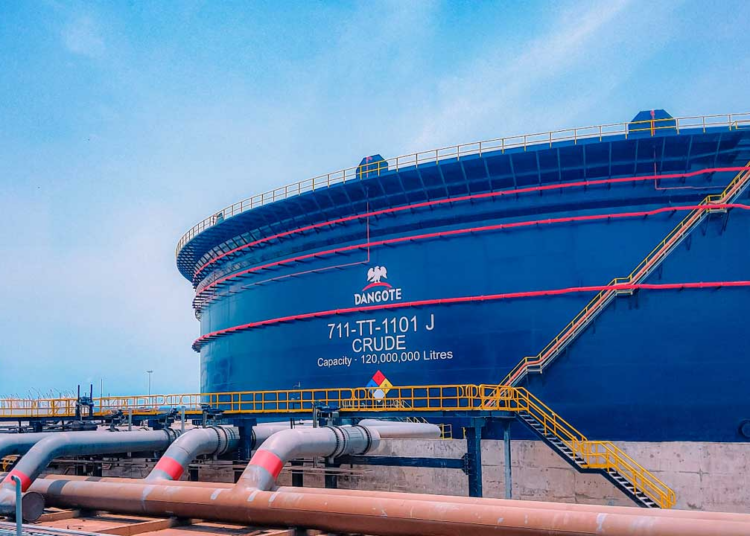
Experts, industry workers, and labour unions are backing Aliko Dangote’s view that Nigeria’s government-owned refineries may never work again.
Sponsored Ads
Their reactions come after Dangote said billions spent on the refineries over the years have brought no results. His opinion has sparked new debate about whether these facilities should keep receiving public funds or be scrapped entirely.
Sponsored Ads
This became an issue again after Dangote, who runs Africa’s largest refinery, pointed out that the Port Harcourt, Warri, and Kaduna refineries are too old and poorly managed to recover. Despite repeated repair attempts, these facilities are still shut down, with no clear timeline for full operations. His comparison of the refineries to outdated cars unable to meet today’s demands has resonated with many in the sector.
Industry players explained why the government’s refineries continue to struggle. For Kaduna refinery, experts said it was built to refine heavy crude from countries like Venezuela and Libya, which means it needs long-term oil supply deals to function well. But such agreements were never put in place, making operations nearly impossible. In fact, the refinery hasn’t had a major upgrade since it was built by Japan’s Chiyoda Corporation decades ago. A more recent attempt to repair it by TotalEnergies also failed, as the company reportedly didn’t understand the original design.
In Warri and Port Harcourt, the situation is no better. Experts blame constant shutdowns on weak management and outdated systems. They say even if funds are provided, the refineries can’t run without proper contracts for crude oil and a reliable engineering plan. Instead of solving the core problems, the government keeps spending money on temporary fixes that do not last.
RELATED STORIES
Related Posts
Petroleum dealers and energy consultants say a refinery cannot work unless there is a steady supply of the right type of oil. For Kaduna, that means sourcing heavy crude from foreign producers. But changing oil contracts to suit the refinery could breach existing supply deals and cause legal trouble. This means starting over may be the only way out.
Labour groups also weighed in. The Nigeria Labour Congress said the current state of the refineries is a result of decades of mismanagement. They accused the political class of destroying public assets and warned that without real change, no progress can be made. Their statement made it clear that their frustration is directed at those who allowed the facilities to reach this point, not at Dangote for speaking out.
While most experts agree with Dangote’s position, some believe the refineries could still be revived if they are taken away from government control. A few analysts suggest handing them over to private firms with experience in refinery operations. They say the government should stop wasting money and allow professionals to run the plants with clear goals and transparent management.
The Dangote Refinery, on the other hand, is being held up as an example of what can work. It already produces petrol, diesel, and kerosene and has enough in stock to meet Nigeria’s entire fuel needs. The refinery now gets more than half of its crude locally and expects to go fully domestic before the year ends. Dangote says this will reduce the need to import fuel and help stabilise local prices.
He also has plans beyond Nigeria. The refinery is expected to serve other African countries through regional trade deals. Company leaders say once long-term supply contracts with foreign oil producers expire, they will shift completely to local crude, boosting Nigeria’s energy independence.
The argument around the refineries is not just about fuel—it’s about how Nigeria handles its resources. With Dangote’s model showing early success, many are asking why the country should keep funding refineries that do not work. Calls for reform are growing louder, and for many, the time for a new approach may already be here.

Comments are closed.