

With just days left before a landmark constitutional summit, The Patriots group is making final preparations to gather leaders and thinkers from across the country.
Sponsored Ads
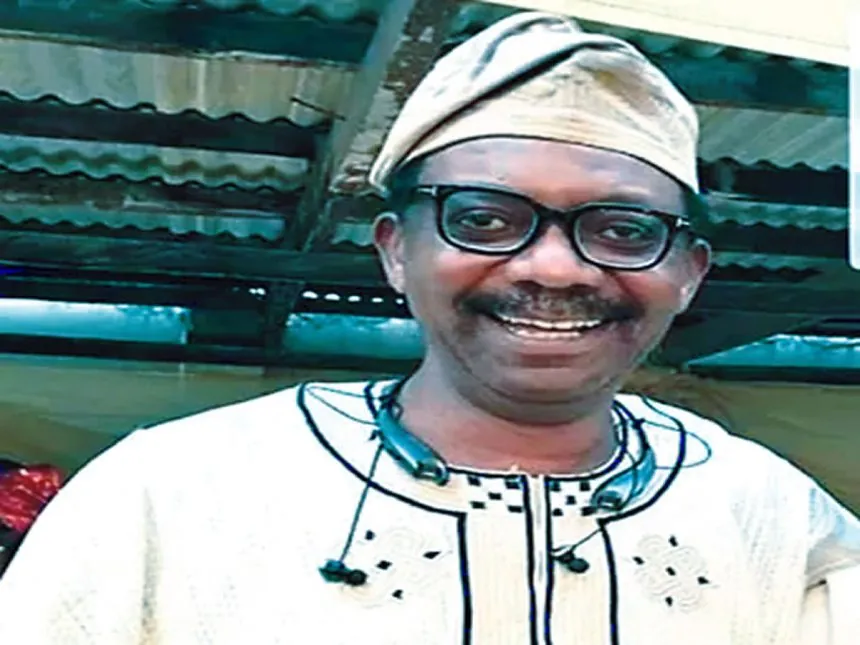
Their aim is to rethink how Nigeria is governed and to push for a system that better reflects the country’s true identity. Spearheaded by respected figures such as Chief Emeka Anyaoku, Aremo Segun Osoba, Senator Aminu Tambuwal, and Otunba Gbenga Daniel, the summit is being coordinated by regional teams like the South West committee, led by Mogaji Gboyega Adejumo.
Sponsored Ads
The summit comes at a time when many Nigerians are openly frustrated with the way the country is run. For Adejumo and The Patriots, this moment is not just timely — it’s urgent. They believe Nigeria has drifted too far from the vision of its founding leaders and is being held back by a structure that no longer works. The current constitution, they argue, has failed. From its roots in the military era to its lack of input from Nigerians themselves, the 1999 Constitution is viewed by the group as a patchwork of outdated rules that have deepened division and blocked development.
The goal of the summit is clear: build a path toward a new constitution grounded in federalism, inclusivity, and local autonomy. According to Adejumo, Nigeria’s ethnic and cultural diversity demands a system where regions manage their own affairs while remaining part of a united country. He points to past constitutional models — especially the 1963 Constitution — as examples of how regional governance helped different groups thrive on their own terms. He calls for a return to that structure, where zones or regions have control over education, policing, development, and culture, while the federal government focuses on foreign affairs and national defense.
RELATED STORIES
Related Posts
Beyond just structure, Adejumo and The Patriots are calling for a switch from the current presidential system to a parliamentary one. They say the current system is too expensive, rewards only the wealthy, and shuts out capable leaders without massive financial backing. In their view, leadership should be based on merit, not money. A parliamentary system, they argue, would return power to local communities and reduce the cost of governance.
But can the summit really lead to change? Adejumo admits there are no guarantees. Past efforts at reform have failed, and constitutional conferences often lose momentum. Yet he says the difference now is growing public awareness and frustration. Nigerians, he believes, are ready to demand better. For him, the summit is a place to gather those voices, document ideas, and keep pressure on those in power.
What makes this summit different, he says, is its focus on structure. From economic collapse to insecurity, the group sees all major national problems as symptoms of a broken system. They argue that reforming Nigeria’s structure — including how security is handled — is the only way forward. Adejumo points out that while Nigeria copied America’s federal system, it failed to adopt the country’s multi-tier police structure. Unlike the U.S., where local, state, and federal law enforcement work together, Nigeria relies solely on a centralized police force. The Patriots want to change that. They propose the return of local and regional police forces, as once existed, along with regional security outfits that can respond swiftly to local threats.
Ultimately, the summit is not just about ideas — it’s about survival. With debt rising, production falling, and social services in disarray, The Patriots believe Nigeria cannot afford to wait. Their message is clear: fix the structure or risk further collapse. Whether the summit leads to concrete political change remains to be seen, but for Adejumo and many others, it marks the beginning of a serious national conversation — one they believe is long overdue.

Comments are closed.