

NLC Rejects Court Order On FCT Strike
Sponsored Ads
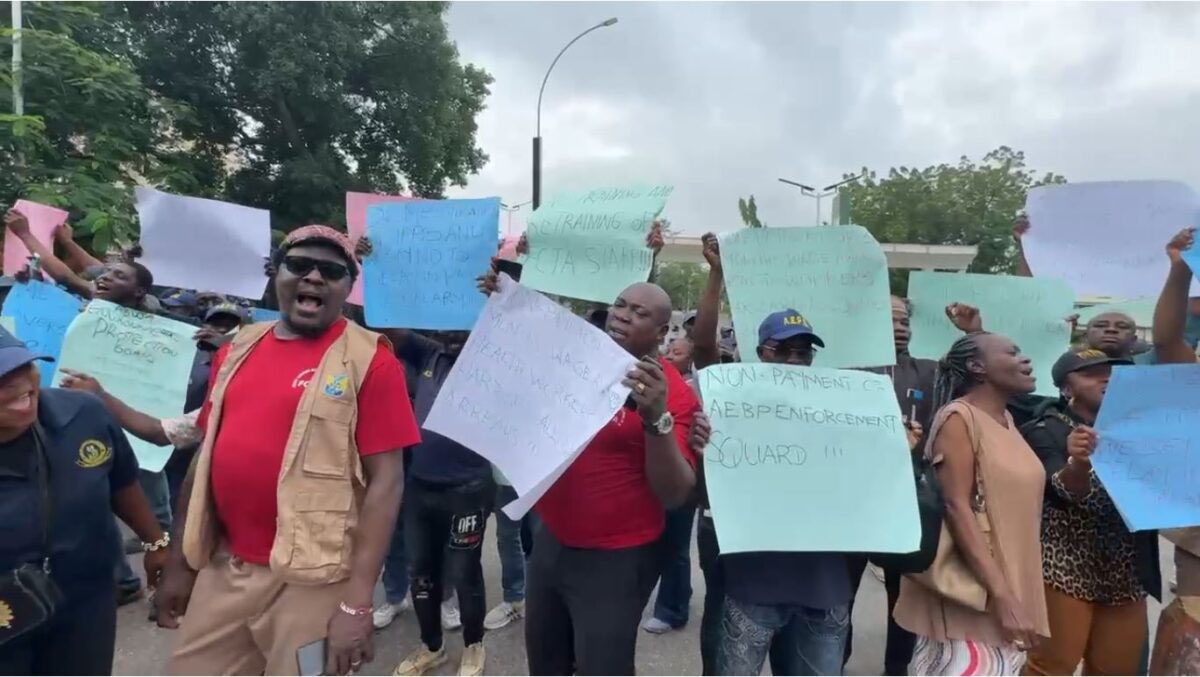
Who took the stand was the Nigeria Labour Congress, which on Tuesday rejected a ruling by the National Industrial Court ordering the suspension of the ongoing strike by Federal Capital Territory workers.
Sponsored Ads
The union said the decision would not weaken the determination of aggrieved workers.

LIST OF APPLICATIONS FOR REGULARISATION OF AREA COUNCIL LAND DOCUMENTS NULLIFIED/CANCELLED BY THE HONOURABLE MINISTER OF FCT
What the dispute is about centres on the court’s order halting the strike and shifting the main case to March 25, 2026.
The NLC said the ruling ignored long-standing labour issues involving the FCT Administration, including alleged breaches of statutory obligations to workers.
RELATED STORIES
Related Posts
When the reaction came was shortly after the ruling, through a statement issued by the acting General Secretary of the Congress, Benson Upah.
He said the union was disappointed that the court did not address claims of unpaid National Housing Fund and pension deductions.
Where the concern lies, according to the Congress, is in what it described as clear violations of existing laws.
The NLC said failure to remit housing fund deductions attracts heavy fines and possible jail terms, while delays in pension payments breach the Pension Reform Act, which sets strict timelines and penalties.
The union accused the FCT minister of worsening the situation by allegedly threatening workers with dismissal immediately after the court decision, saying such actions make dialogue difficult.
How the NLC plans to respond was also outlined in the statement.
The Congress urged workers to remain resolute and alert, warning that institutions and individuals accused of violating labour laws would face organised engagement. It added that the struggle would continue until workers receive fair treatment under the law.

Comments are closed.