

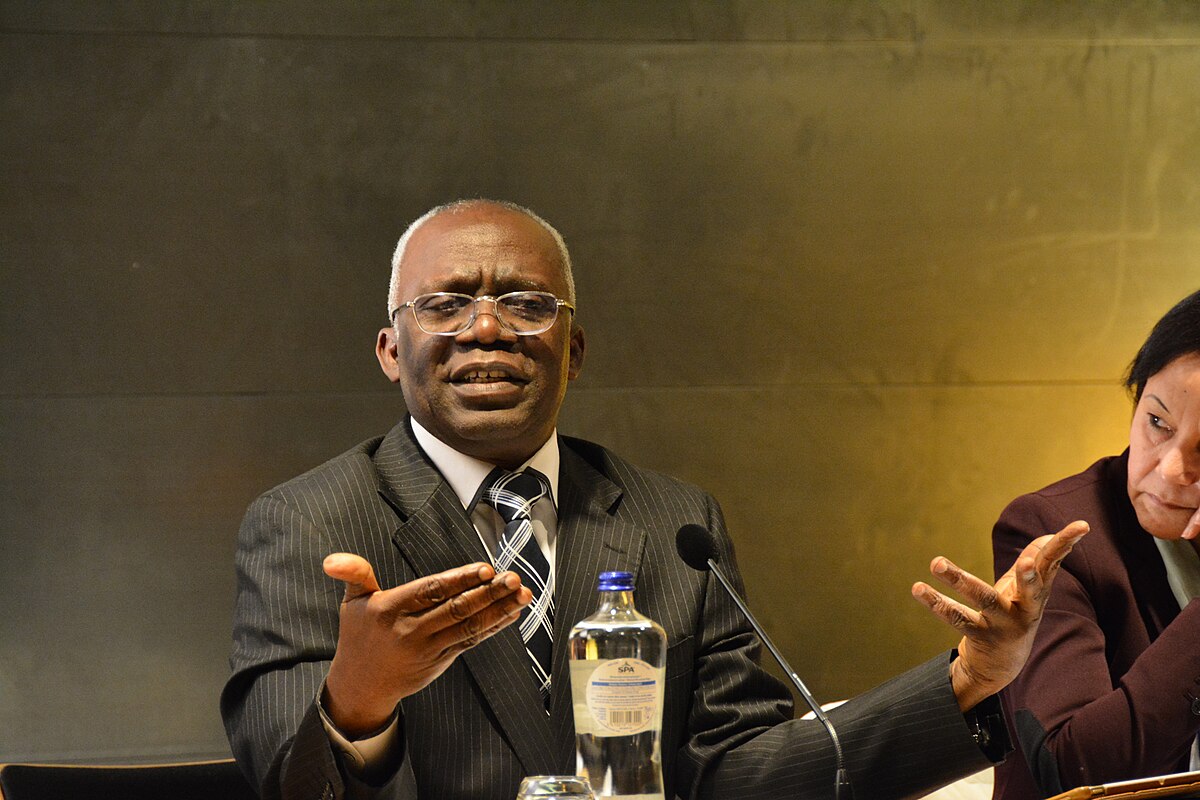
Human rights lawyer Femi Falana has asked the Federal Government to repay families who were forced to give ransom to kidnappers, saying the state failed in its duty to protect them.
Sponsored Ads
He made the call while delivering a keynote address at the University of Abuja’s Law Week on November 13.
Sponsored Ads
Falana told the gathering that Nigeria is facing a deep security crisis, with attacks on farmers, students, worshippers and villages happening almost daily. He said the system shows clear bias, noting that government agencies respond quickly when elites such as judges or former public officers are kidnapped, but leave ordinary citizens to struggle on their own. According to him, many families are pushed into paying ransom because they have no other choice.
He argued that this uneven response is a moral and constitutional failure. He pointed to the Constitution, which makes the protection of every citizen a core duty of the state. He said families who paid ransoms deserve refunds as recognition of the state’s failure and as a signal that citizens should not bear the cost of insecurity on their own.
RELATED STORIES
Related Posts
Falana also accused authorities of quietly paying ransoms despite publicly denying it. He said some security agencies even take part in negotiations that lead to ransom payments, while pretending otherwise. He described this as a contradiction that encourages kidnappers.
He used the event to speak on deeper problems in the security system, blaming corruption, weak enforcement, and poor leadership for the rise in terrorism, banditry and herder–farmer clashes. He demanded the prosecution of kidnapping suspects, strict enforcement of grazing bans, and a shift in national security priorities to protect every citizen, regardless of status or location.
He said the right to life cannot be traded for politics or power and urged Nigerians to push for accountability. He warned that failures to investigate attacks or punish criminals amount to complicity and allow impunity to grow.
Falana also criticised state governments that negotiate with armed groups or offer them amnesty, describing these moves as dangerous. He added that ignoring open grazing bans has kept rural communities exposed to deadly clashes and worsening violence.

Comments are closed.