

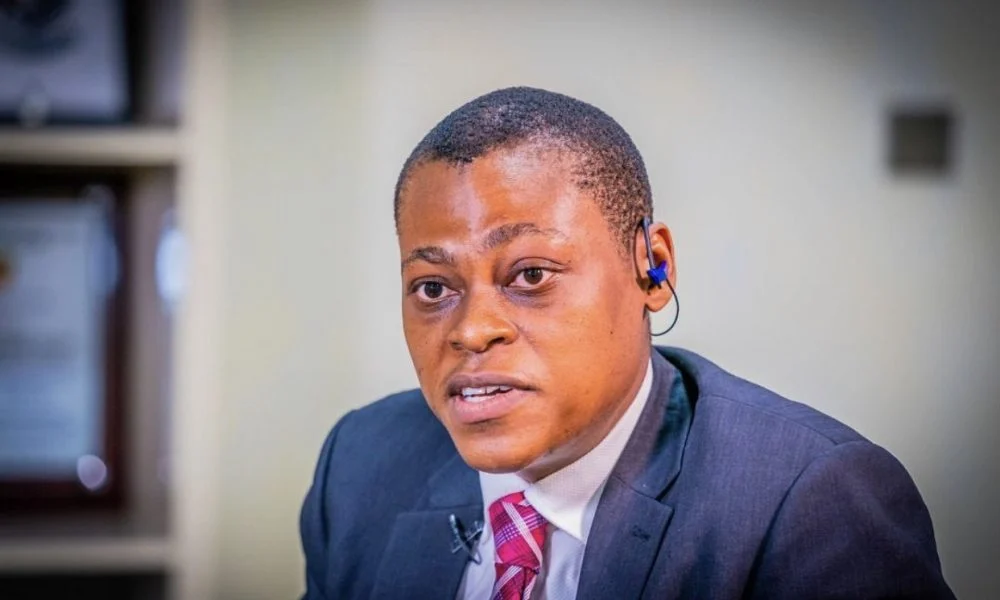
Arise News anchor, Rufai Oseni, has criticised the laws allowing states to generate and distribute electricity, arguing that most state governments lack the capacity, funding and infrastructure to operate independent power systems.
Sponsored Ads
Speaking on Arise Television’s Morning Show on Monday, Rufai said the idea might appear attractive on paper but would be difficult to implement because electricity generation and distribution require substantial investment, reliable gas supply, generation plants, transmission infrastructure and distribution networks.
Sponsored Ads
He questioned how many states could afford to generate electricity, where they would obtain the required gas supply and how they would finance the infrastructure needed to sustain power production.
The broadcaster argued that the Federal Government, despite overseeing the power sector for more than 40 years, continued to struggle to generate between 4,000 and 5,000 megawatts for a population of more than 200 million people, while the national grid experienced repeated collapses.
He also questioned how state governments that struggled to pay workers’ salaries and depended on allocations from the Federation Account Allocation Committee (FAAC) would raise billions of dollars to build power plants and transmission lines.
RELATED STORIES
Related Posts
Rufai further expressed concerns about the capacity of existing electricity distribution companies (DisCos), saying many were already struggling to distribute the power generated by the Federal Government.
He warned that transferring electricity responsibilities to individual states without addressing these challenges could create additional problems rather than improve supply.
The Arise News presenter called on the Federal Government to prioritise fixing the national grid, addressing gas supply challenges facing generation companies (GenCos) and improving transmission infrastructure.
He argued that if the country continued to struggle to provide reliable electricity through a centralised system, dividing the responsibility among 36 states would not automatically resolve the sector’s problems.
Rufai maintained that electricity supply required practical investment and infrastructure rather than legislation alone.

Comments are closed.