

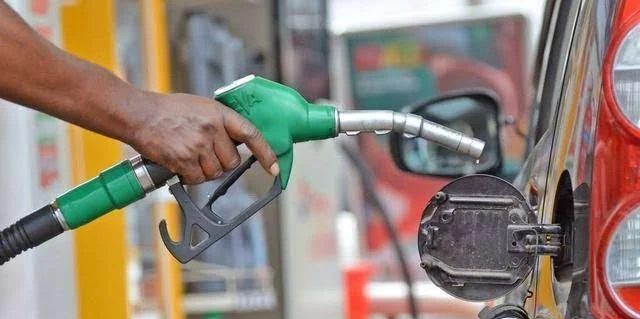
Petrol prices have dropped by as much as N90 per litre at some filling stations across Nigeria, following a reduction in the price of Premium Motor Spirit by the Dangote Refinery.

Sponsored Ads
The downward adjustment has been recorded about three weeks after the refinery reduced its petrol gantry price, leading several fuel marketers to review their pump prices.
Sponsored Ads
Checks in Abuja and surrounding areas showed that filling stations operated by MRS, the Nigerian National Petroleum Company Limited, AA Rano, Nigerian Independent Petroleum Company, Emedab and other retailers were selling petrol between N1,210 and N1,275 per litre as of August 20.

LIST OF APPLICATIONS FOR REGULARISATION OF AREA COUNCIL LAND DOCUMENTS NULLIFIED/CANCELLED BY THE HONOURABLE MINISTER OF FCT
The prices represent a decline from the N1,305 to N1,335 per litre range recorded at several filling stations on July 31.
Based on the prices observed during the period, motorists have seen reductions of at least N35 per litre in some locations, while customers at some outlets have enjoyed cuts of up to N90 per litre.
The latest movement followed the Dangote Refinery’s decision to reduce its petrol gantry price by N45 per litre. The refinery cut the price from N1,210 to N1,165 per litre as part of its latest adjustment.
The reduction has since affected the wider downstream market as fuel marketers source products at lower prices and adjust their pump rates in response to changes in supply costs.
RELATED STORIES
Related Posts
The refinery’s current petrol price also puts its locally produced product below the prevailing cost of imported petrol. The landing cost of imported PMS was recently placed at about N1,218.54 per litre.
The price gap between locally refined and imported petrol has continued to influence competition in Nigeria’s downstream oil market, with domestic refiners and fuel marketers responding to changes in crude oil prices, supply costs and market conditions.
The latest reduction provides some relief to motorists and other petrol consumers who have faced high fuel costs following the removal of petrol subsidies and subsequent pump price fluctuations.
However, the decline in local petrol prices is occurring despite elevated international crude oil prices.
At the time of the latest market assessment, Brent crude was trading at about $91.90 per barrel, while West Texas Intermediate crude stood at approximately $84.60 per barrel.
The reduction in pump prices therefore reflects changes in the domestic supply chain and local refining market rather than a corresponding fall in international crude prices.
With more locally refined petrol becoming available, further movements in pump prices could depend on refinery output, marketers’ supply arrangements and prevailing market conditions across different parts of the country.

Comments are closed.