

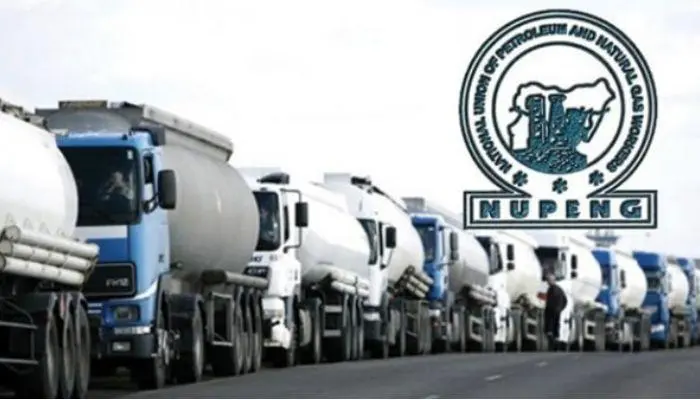
The uneasy peace between the Nigerian Union of Petroleum and Natural Gas Workers and Dangote Petroleum Refinery has collapsed, raising concerns of another round of fuel shortages across the country.
Sponsored Ads
The breakdown comes only days after both parties signed a government-brokered truce aimed at ending a strike that disrupted distribution.
Sponsored Ads
The dispute began when NUPENG accused the refinery of preventing tanker drivers from freely joining the union, a move it described as a violation of constitutional rights and global labour standards. The union said an agreement signed on September 9 at the Department of State Services headquarters in Abuja guaranteed the workers’ right to unionise. Within days, however, NUPENG alleged that the refinery’s management, led by Sayyu Aliu Dantata, disregarded the pact and ordered drivers to remove union stickers from their trucks.
Union leaders warned that security agencies were being used to intimidate workers, claiming that drivers faced harassment at the refinery gate. NUPENG placed members on red alert for the possible resumption of a nationwide strike, saying it would not allow what it called an attack on workers’ rights to go unchallenged.
RELATED STORIES
Related Posts
The Dangote Group rejected the allegations, insisting that no worker was compelled to renounce union membership. The refinery said its programme to deploy 4,000 compressed natural gas trucks would create over 60,000 direct jobs with better pay and benefits than industry standards. It accused NUPENG of resorting to blackmail and economic sabotage under the guise of labour activism.
The Federal Ministry of Labour said it had not yet received a formal complaint but pledged to invite both sides if new evidence emerges. Critics argue that the government risks losing credibility if it cannot enforce agreements signed under its supervision, warning that industrial peace could collapse if private firms are allowed to flout official resolutions.
Fuel marketers have urged restraint, stressing that any strike action would worsen supply challenges and trigger panic across the country. The Nigeria Labour Congress also expressed concern, describing the refinery’s conduct as a breach of trust.
The row first escalated on September 8 when NUPENG shut down depots and filling stations nationwide, forcing the government to step in. With the truce now broken, the union has threatened to resume strike action by September 15 unless the refinery complies with the deal.
For many Nigerians, the political and legal debates matter less than the practical outcome. If the standoff is not resolved quickly, the country could once again face empty fuel stations, higher transport fares, and a new wave of economic hardship.

Comments are closed.