
Sowore Blasts Buhari Legacy Over Poor Governance And Health System Neglect

Omoyele Sowore, activist and former presidential candidate, has launched a harsh criticism of former President Muhammadu Buhari, saying his time in office brought more harm than good to the country.
Sponsored Ads
In an interview with Sunday PUNCH, Sowore accused Buhari of using Nigeria to extend his own life while the people suffered under his leadership.
Sponsored Ads
He said Buhari’s presidency left Nigerians broken, describing his government as one that crushed hope and encouraged mediocrity. Sowore pointed to a record of failures, including rising poverty, insecurity, and widespread human rights abuses, as evidence that the former president failed to deliver on the promises he made when he came into power.

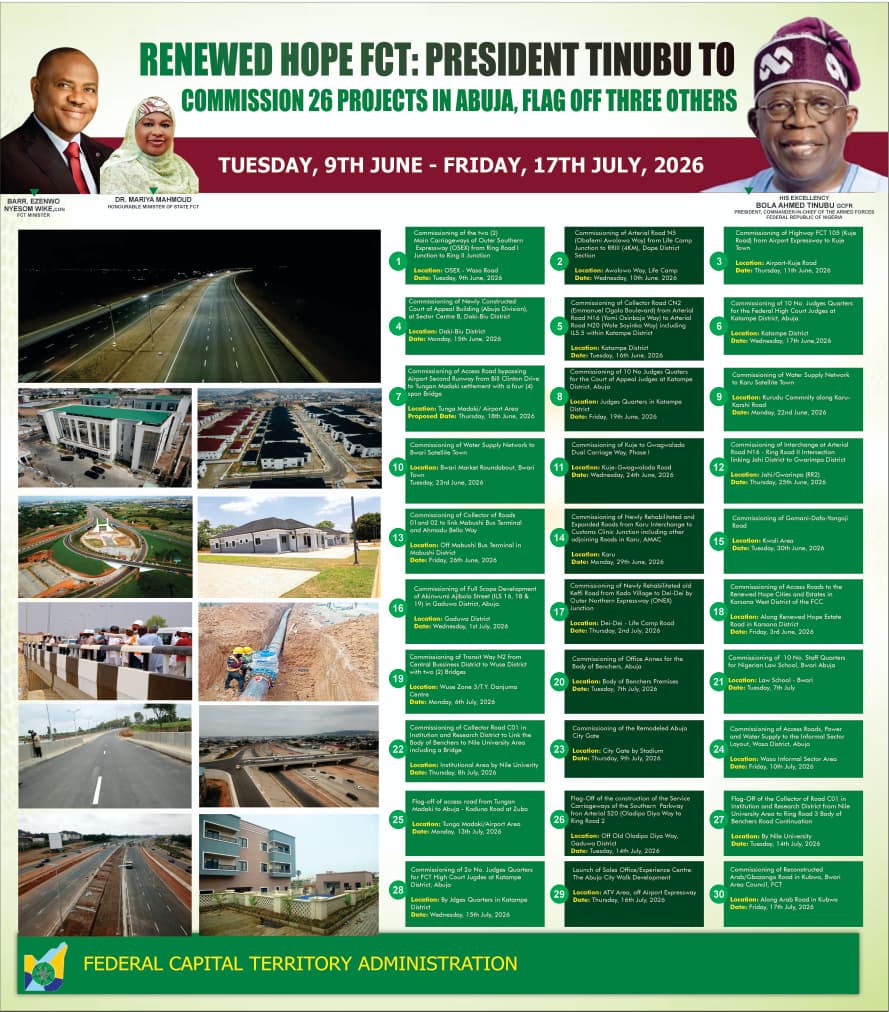
LIST OF APPLICATIONS FOR REGULARISATION OF AREA COUNCIL LAND DOCUMENTS NULLIFIED/CANCELLED BY THE HONOURABLE MINISTER OF FCT
The activist argued that Buhari’s legacy is not one to be celebrated. According to him, the former leader ran a government where compassion was absent and citizens bore the brunt of harsh conditions. He added that the suffering experienced during Buhari’s administration should not be covered up simply because he is no longer alive.
Sowore insisted that history must not be altered to protect the image of public figures after their deaths. He said too many lives were lost under Buhari’s leadership—from victims of terrorism to those affected by hunger and poverty—and that ignoring these realities would only deepen the pain of those left behind.
He made it clear that speaking truthfully about public officials is a duty owed to the living, not just the dead. According to Sowore, Nigeria should stop recycling false legacies and instead use past failures as warnings for future leadership.
RELATED STORIES
Related Posts
During his time in office, Buhari became known for frequent medical trips abroad, particularly to the United Kingdom. These trips began less than a year into his presidency and continued throughout his tenure, sparking criticism from Nigerians who felt betrayed by his earlier promise to end medical tourism.
His most prolonged absence occurred in 2017 when he spent 104 days in London for treatment, during which his exact condition was never revealed. In total, Buhari is believed to have spent more than 230 days outside the country for health reasons, often at critical times when Nigeria’s own healthcare system was in crisis.
His foreign medical visits drew outrage from civil society groups, doctors, and the public. Many accused him of ignoring the very healthcare sector he swore to fix, pointing to the irony of leaving the country for treatment while Nigerian hospitals struggled with underfunding and strikes.
Reports estimated that maintaining the presidential jet alone during these trips cost billions of naira. This did not include medical bills, hotel accommodation, or expenses for the officials who accompanied him.
Despite the criticism, Buhari gave little explanation about his condition or the costs involved. He often said he preferred his UK-based doctors due to familiarity and trust, a response that did little to calm growing anger among Nigerians.
Sowore and others argue that Buhari’s refusal to improve Nigeria’s healthcare infrastructure, while relying on foreign hospitals, was one of the clearest signs of failed leadership. They say his legacy should be remembered not with praise but as a lesson for future leaders on the cost of broken promises and neglect.

Comments are closed.