

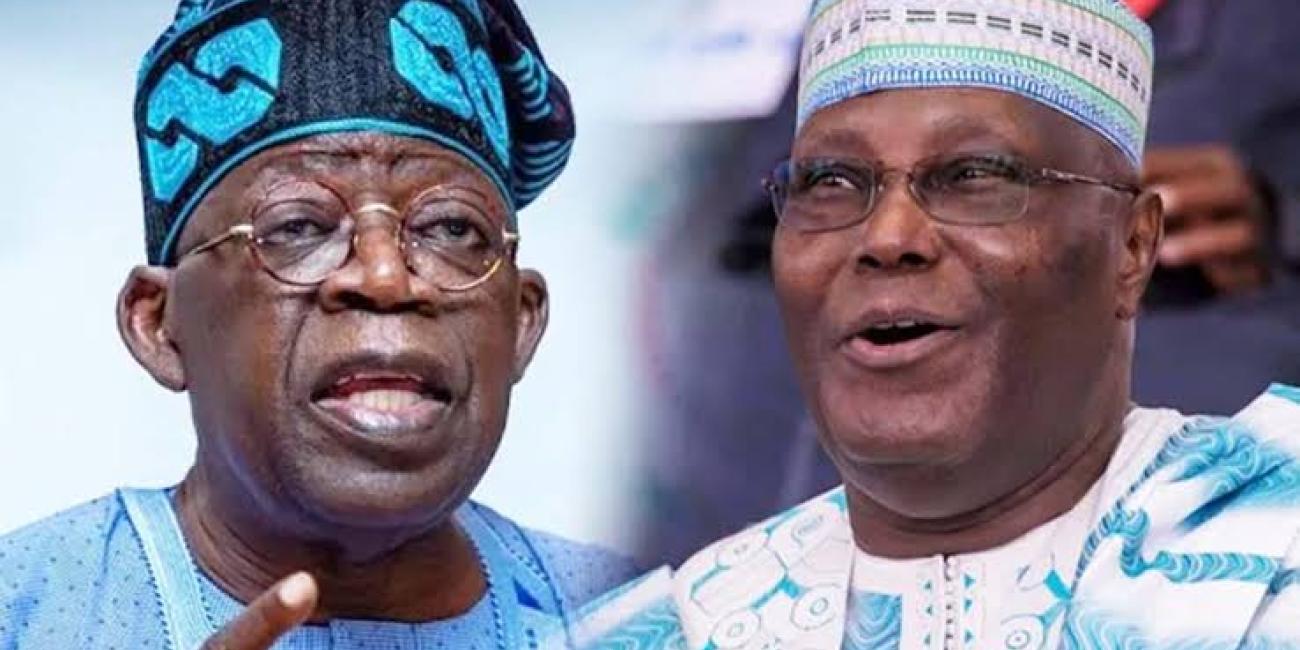
Nigeria’s absence from the upcoming US-Africa summit hosted by US President Donald Trump has sparked strong criticism from former Vice President Atiku Abubakar, who blamed the development on what he called poor leadership by President Bola Tinubu.
Sponsored Ads
The high-level summit, expected to hold on July 9, will bring together leaders from Gabon, Guinea-Bissau, Liberia, Mauritania, and Senegal. Nigeria, Africa’s most populous country and traditionally a key player in regional diplomacy, was not invited. This omission has stirred concerns about the country’s fading presence on the international stage.
Sponsored Ads
Atiku pointed to the growing sense of diplomatic isolation Nigeria now faces under Tinubu’s administration. According to him, the country’s exclusion is a result of declining foreign policy influence, economic instability, and weakened international relationships.
He referenced Tinubu’s tenure as chairman of the Economic Community of West African States (ECOWAS), during which three member countries—Mali, Niger, and Burkina Faso—withdrew from the bloc, reducing its membership from 15 to 12. Atiku argued that this withdrawal showed the shrinking influence of Nigeria under Tinubu’s leadership.
RELATED STORIES
Related Posts
Atiku’s media aide, Phrank Shaibu, echoed these concerns, warning that Nigeria’s diplomatic standing had sharply deteriorated. He contrasted Nigeria’s absence from the US-Africa summit with South Africa’s ongoing trade talks with Washington, noting that while some African countries are advancing international partnerships, Nigeria seems to be missing from key conversations.
He also dismissed the notion that any individual or private influence, including that of billionaire Gilbert Chagoury, could reverse Nigeria’s apparent sidelining from the summit. According to Atiku’s camp, diplomatic relevance comes from national strength and credibility, not personal connections.
The US-Africa summit is viewed as a major opportunity for African countries to shape strategic relations with Washington under a possible Trump second term. Nigeria’s exclusion has raised questions not just about foreign policy, but also about how the country is currently being viewed globally.
As the Tinubu administration continues to deal with internal challenges—including inflation, currency depreciation, and citizen discontent—this diplomatic snub has further fueled concerns about Nigeria’s shrinking role in international affairs.

Comments are closed.