
FG Confirms Ebola Case in FCT, Tracks 44 Contacts

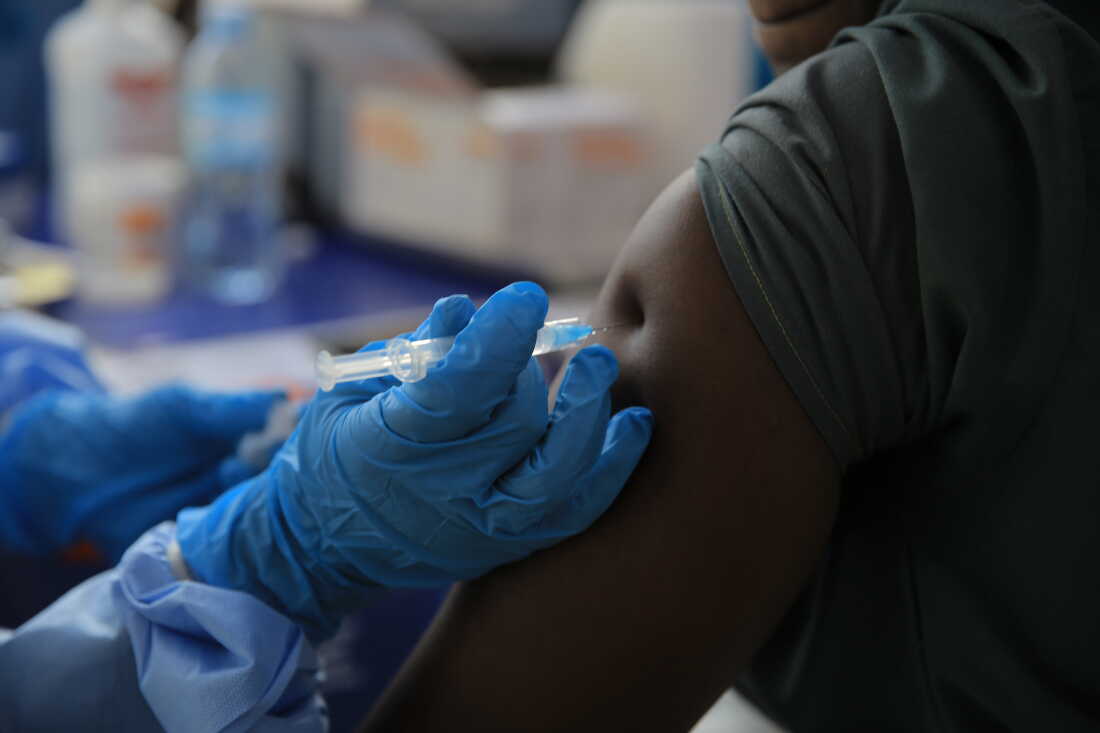
The Federal Government has confirmed an imported case of Ebola virus disease (EVD) in the Federal Capital Territory (FCT), with 44 contacts identified for monitoring as health authorities work to prevent further transmission.
Sponsored Ads
The Coordinating Minister of Health and Social Welfare, Prof. Muhammad Ali Pate, announced the development on Tuesday in Abuja, stating that laboratory tests confirmed the infection in a woman who recently returned from Uganda.
Sponsored Ads
According to Pate, the patient developed symptoms on October 7 and visited a private health facility on October 11 before the infection was confirmed. She has since been isolated and is receiving medical treatment, with her condition reported to be stable.
The minister said the Federal Ministry of Health and Social Welfare, Nigeria Centre for Disease Control and Prevention (NCDC), FCT Health Secretariat, World Health Organisation (WHO) and Africa Centres for Disease Control and Prevention had activated a coordinated response to contain the infection.
He disclosed that the 44 contacts identified so far included healthcare workers, patients, caregivers and individuals who might have encountered the patient during her journey. Contact tracing is continuing to identify others who may have been exposed.
Pate added that the private hospital where the woman initially sought treatment was receiving support to strengthen its infection prevention and control measures.
He assured Nigerians that health authorities were working to trace all possible contacts and prevent further spread, while urging public and private health facilities nationwide to remain vigilant, report suspected cases promptly and adhere strictly to infection prevention protocols.
The minister explained that early detection, immediate isolation and effective contact tracing were essential to controlling the infection. He said the government had activated its incident management system to coordinate surveillance and emergency response activities.
Pate appealed to Nigerians to remain calm, noting that the country had the expertise and public health infrastructure needed to manage the situation.
RELATED STORIES
Related Posts
He recalled Nigeria’s response to the 2014 Ebola outbreak, when health authorities contained the spread after an imported case was detected in Lagos. He said the government was drawing on lessons from that experience, with support from international partners, to manage the latest case.
The minister explained that Ebola could spread through direct contact with the blood or other body fluids of an infected person who was sick or had died from the disease. Contact with contaminated materials could also lead to infection.
He listed possible symptoms as fever, weakness, headache, vomiting and diarrhoea, advising anyone who developed such symptoms after possible exposure to seek medical attention and follow public health instructions.
Pate urged Nigerians to maintain good hand hygiene and avoid contact with the body fluids of anyone suspected of having the infection. He also warned against stigmatising people who might have been exposed, stressing that their cooperation with health officials was necessary to identify potential cases and prevent further transmission.
He cautioned the public against sharing unverified information on social media, urging Nigerians to rely on official updates from the Federal Ministry of Health and Social Welfare, NCDC, WHO and Africa CDC.
Pate further disclosed that a Presidential Task Force on Ebola Virus Disease had been established in May 2026 to strengthen national preparedness. He said President Bola Tinubu had been informed of the confirmed case and had issued directives on the government’s response.
The minister assured the public that further updates would be provided as contact tracing and other containment measures progressed.
He directed Nigerians seeking official information or wishing to report suspected cases to contact the NCDC’s toll-free call centre on 6232, which he said operates round the clock.
Pate stressed that public cooperation, prompt reporting of suspected cases and adherence to verified medical advice would be crucial to containing the infection and preventing a wider outbreak.

Comments are closed.