

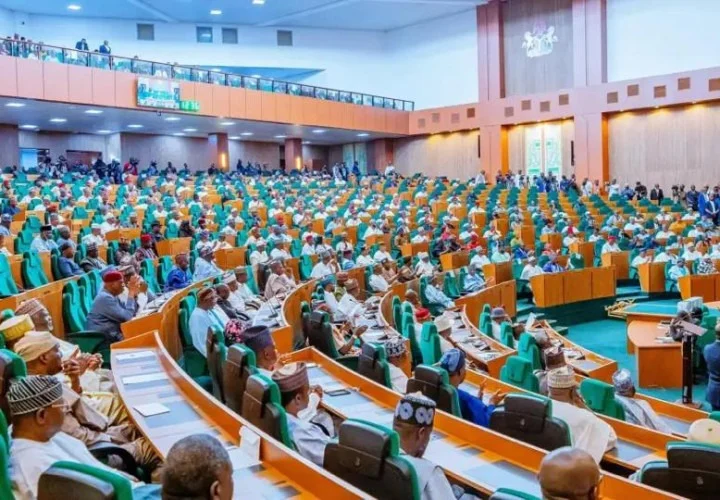
The House of Representatives has called on the Federal Government to strengthen efforts to tackle the production, distribution and sale of fake, adulterated and substandard food and beverages in Nigeria, warning that the practice poses serious public health risks.
Sponsored Ads
The House made the call during Tuesday’s plenary after adopting a motion of urgent public importance sponsored by Abubakar Yalleman, who represents Madori/Kaugama Federal Constituency of Jigawa State.
Sponsored Ads
Moving the motion, Yalleman said access to safe and quality food and beverages was essential to the health, well-being and productivity of Nigerians.
He explained that standardised processing methods and proper hygiene were necessary to prevent foodborne illnesses caused by harmful bacteria, chemical residues, expired ingredients and physical contaminants.
The lawmaker added that compliance with food safety standards could improve the competitiveness of Nigerian food businesses in regional and international markets by reducing the rejection of exported products and supporting economic growth.
However, he expressed concern over reports of counterfeit alcoholic beverages and the operation of illegal food and drink factories.
Yalleman cited the dismantling of an alcohol counterfeiting operation at Zamfara Plaza on Lagos Island by the National Agency for Food and Drug Administration and Control (NAFDAC) on April 22, 2026. He also referred to a raid by the Nigeria Security and Civil Defence Corps (NSCDC) on an illegal, unregistered fruit juice factory in Badagry, Lagos State, on September 22, 2026.
He said the incidents reflected concerns about the production and sale of fake, adulterated, unregistered and substandard products, including alcoholic and non-alcoholic drinks, beverages and bottled water consumed daily by Nigerians.
The lawmaker alleged that some manufacturers and distributors counterfeit established brands, manipulate product labels and expiry dates, use inferior or contaminated raw materials, illegally reuse containers and operate outside approved regulatory standards.
RELATED STORIES
Related Posts
He warned that these practices could expose consumers to serious health conditions, including acute poisoning, cancer and damage to vital organs such as the kidneys, lungs, liver and heart.
Yalleman noted that NAFDAC was responsible for regulating food, bottled water and other products within its mandate, while the Federal Competition and Consumer Protection Commission (FCCPC) oversees consumer protection and product safety. The Standards Organisation of Nigeria (SON) also plays a role in ensuring that products comply with applicable standards.
Although he acknowledged the work of the agencies, he said concerns remained over products carrying misleading information about production and expiry dates, batch numbers, manufacturers and ingredients.
The All Progressives Congress lawmaker called for stronger enforcement of existing laws, improved coordination among regulatory agencies, more effective market surveillance and increased public awareness.
He also warned that fake and substandard food and drinks posed particular dangers to children, older people and other vulnerable groups, potentially leading to foodborne illnesses, poisoning and other preventable health problems.
Following the adoption of the motion, the House urged the Federal Government to treat the production and circulation of counterfeit and substandard food and beverages as an urgent national concern requiring sustained regulatory action.
It called on NAFDAC, SON and FCCPC to work with the Nigeria Police Force, Nigeria Customs Service, state governments and other relevant agencies to intensify nationwide surveillance, inspections, product sampling, laboratory testing and enforcement against manufacturers, distributors, wholesalers and retailers involved in the trade.
The House also directed its relevant committees, particularly those responsible for health, industry, customs, standards and consumer protection, to engage regulatory agencies and other stakeholders to assess the scale of the problem and the effectiveness of existing enforcement measures.
The committees are expected to submit their findings to the House within four weeks for further legislative action, including possible measures to address the circulation of fake, counterfeit and substandard food, beverages and drugs.

Comments are closed.