

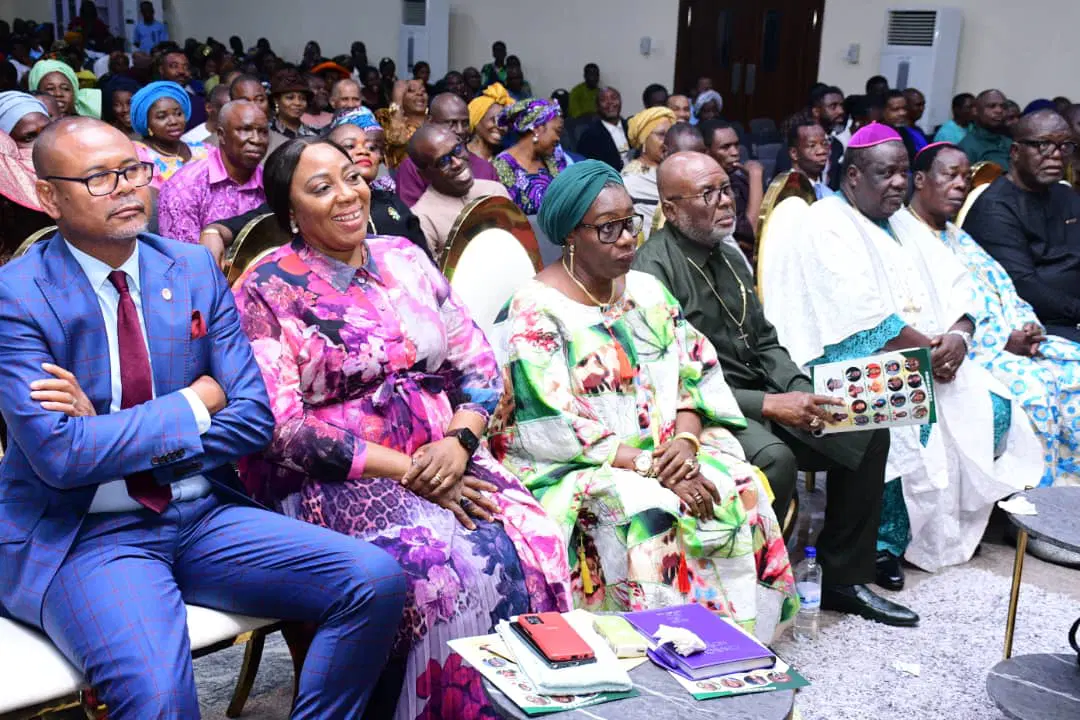
The Pentecostal Fellowship of Nigeria (PFN) in Niger State has reacted to Governor Umaru Bago’s call for Christians to take a more active role in politics to secure political appointments and other opportunities.
Sponsored Ads
Bago had urged Christians in the state to become more involved in political activities, saying their limited participation had affected their chances of getting key positions in government.
Sponsored Ads
The governor made the call through the Coordinator of Christian Affairs, Pastor Isah Lawrence, while speaking to journalists in Minna.
He said Christians had not contributed enough time, money and personal effort to political activities and needed to change their approach if they wanted greater representation in government.
According to the governor, Christians should organise themselves and participate actively in politics instead of remaining on the sidelines and expecting appointments without taking part in the political process.
He said greater participation would put Christians in a better position to seek and receive political appointments when opportunities became available.
The governor also urged Christians to work together and develop a clear political direction rather than remaining divided or inactive.
His comments, however, drew a response from the PFN, which said Christians should not be denied political leadership positions or government opportunities because of their religious identity.
The PFN State Chairman, Peterock Sadiq, spoke during the organisation’s 14th anniversary celebration, where he called for fair representation of Christians in political leadership and public appointments.
RELATED STORIES
Related Posts
Sadiq said Christians had a responsibility to participate in the political process and should not remain indifferent to decisions that affect society.
He explained that the PFN’s position was not a call for Christians to compete with Muslims or other religious groups, but for equal opportunity and fair treatment in public affairs.
The PFN chairman said Christians could engage in politics through lawful and peaceful means while maintaining good relations with Muslim communities and traditional institutions.
He also stressed that the church was not a political party, but said its members could not afford to ignore politics because government decisions directly affect the lives of ordinary people.
Sadiq said poor leadership does not affect political statistics alone but has real consequences for farmers, widows, schoolchildren, young graduates and other vulnerable members of society.
The PFN therefore called for a political system where Christians and members of other religious communities could participate freely and have access to leadership positions based on fairness, competence and the principles of equal opportunity.
The development has brought renewed attention to the role of religious communities in politics in Niger State, particularly the relationship between political participation and access to government appointments.
While Bago’s position was that increased political participation would give Christians a stronger basis to seek appointments, the PFN maintained that no religious group should be excluded from political leadership or public opportunities.
The group said it would continue to encourage its members to participate responsibly in civic and political affairs while promoting peaceful relations among the different religious and traditional communities in the state.

Comments are closed.