

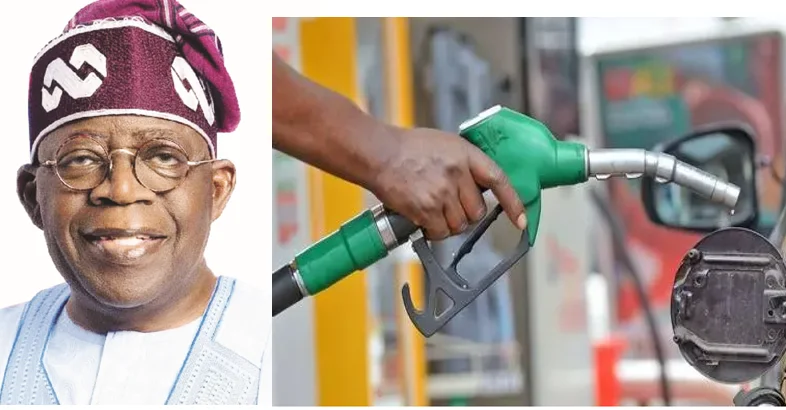
The Federal Government and organised labour have disagreed over how savings from the removal of fuel subsidy have been spent, with the government saying the funds were used to meet major financial obligations, while labour dismissed the explanation and demanded proof.
Sponsored Ads
The disagreement came on Thursday during the 7th Africa Emerging Markets Forum in Abuja, where the Minister of Finance and Coordinating Minister of the Economy, Mr. Taiwo Oyedele, responded to concerns over the destination of the savings generated from the subsidy removal.
Sponsored Ads
Oyedele said the government would soon release a detailed account showing how the money had been spent, adding that Nigerians deserved to know how public funds were managed.

LIST OF APPLICATIONS FOR REGULARISATION OF AREA COUNCIL LAND DOCUMENTS NULLIFIED/CANCELLED BY THE HONOURABLE MINISTER OF FCT
According to him, the removal of fuel subsidy and what he described as the foreign exchange subsidy together accounted for savings equivalent to about five per cent of the country’s Gross Domestic Product (GDP).
He explained that although the reforms generated financial savings, their main purpose was to eliminate distortions and corruption associated with the previous system rather than simply reduce government spending.
The minister said a large portion of the savings was used to finance obligations previously covered through the Central Bank’s Ways and Means advances after the government stopped printing money to support expenditure.
He added that the reforms also increased the cost of servicing public debt because interest rates rose sharply. According to him, borrowing costs moved from about eight per cent to as high as 24 per cent, making debt servicing more expensive and unavoidable.
Oyedele also said the increase in the national minimum wage from N30,000 to N70,000 almost doubled the Federal Government’s wage bill, requiring additional funding to meet salary obligations.
RELATED STORIES
Related Posts
He further stated that part of the savings had been used to support the Nigerian Education Loan Fund (NELFUND), through which more than 1.5 million students now receive tuition support and monthly stipends.
According to him, the student loan scheme has reduced the financial burden on many families by removing the pressure of raising money for school fees, allowing parents to use their income for other household needs and small businesses.
The minister said the government remained committed to openness and would soon publish a comprehensive breakdown of the total savings from the reforms and how every portion had been allocated.
Speaking on continued government borrowing, Oyedele said exceeding revenue targets did not automatically remove the need for loans because government expenditure remained higher than projected revenue.
He explained that if government expenditure exceeded internally generated revenue, borrowing would still be required to bridge the funding gap, even when revenue collection surpassed expectations.
The minister maintained that borrowing was not a problem as long as the funds were invested in projects capable of generating value greater than the cost of the loans.
Organised labour, however, rejected the government’s explanation, describing it as incomplete and lacking credible evidence.
Labour leaders accused the government of being economical with the truth and insisted that only verifiable records showing the actual amount saved and how the money was spent would convince Nigerians.
The disagreement adds to the ongoing debate over the impact of the removal of fuel subsidy, with many Nigerians continuing to demand greater transparency and accountability over the management of the proceeds generated from the policy.

Comments are closed.