

The Federal Government has dismissed allegations that it spent more than ₦8 trillion outside the approved national budget, describing the claim as false and based on a misunderstanding of the International Monetary Fund’s (IMF) 2026 Article IV Consultation Report.
Sponsored Ads
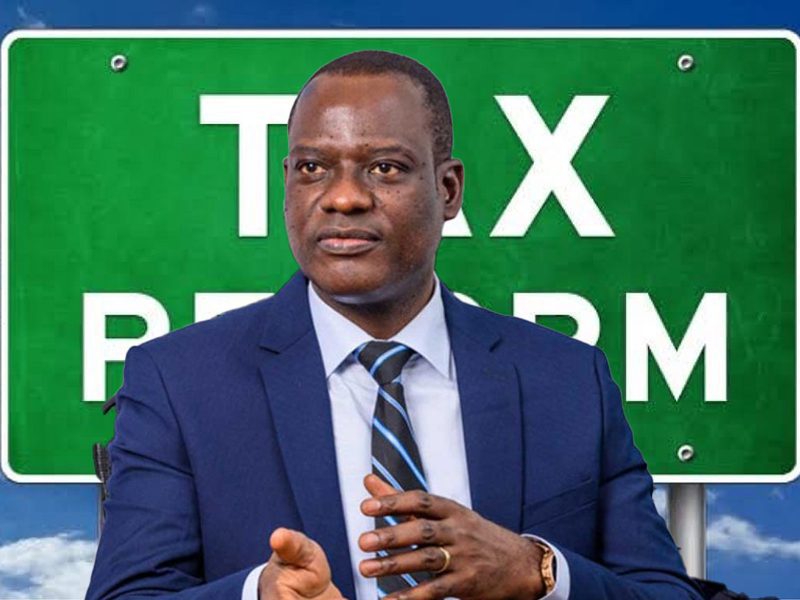
The Minister of Finance and Coordinating Minister of the Economy, Taiwo Oyedele, said the Federal Government does not operate any unofficial budget and has not spent public funds outside the legal and constitutional framework governing public finance in Nigeria.
Sponsored Ads
According to him, government spending is strictly guided by the provisions of the 1999 Constitution, which allows public funds to be withdrawn and used only in line with laws approved by the National Assembly.
He explained that federal expenditure is carried out through duly passed Appropriation Acts, Supplementary Appropriation Acts and other legally approved instruments. He added that multi-year capital projects are implemented under existing legal provisions that allow such projects to continue across different budget periods.
Oyedele maintained that claims suggesting trillions of naira were secretly spent without legislative approval were incorrect.
He challenged those making the allegations to identify the specific projects they believed were executed without legal appropriation and provide credible evidence to support their claims.
The minister explained that the figures being referenced relate to lawful expenditures already recognised under existing laws. These include statutory transfers, debt servicing, allocations to government agencies and development commissions established by law, revenue collection costs retained by designated agencies, capital budgets separately approved by the National Assembly for certain agencies and the Federal Capital Territory, as well as special interventions for security, infrastructure, disaster response and other national priorities.
He stated that these expenditures are lawful, publicly disclosed through government fiscal reports and remain subject to oversight, auditing and accountability procedures.
RELATED STORIES
Related Posts
Oyedele also dismissed suggestions that the reported amount represented an increase in Nigeria’s fiscal deficit. He explained that the budget deficit is calculated from the difference between government revenue and total expenditure, noting that financing projects through statutory transfers, supplementary budgets or other lawful mechanisms does not automatically increase the deficit.
The minister said the IMF’s observations had been misinterpreted, explaining that the Fund’s comments focused mainly on the completeness, timing and presentation of Nigeria’s fiscal reporting rather than questioning the legality of government spending.
He added that the Tinubu administration had already begun reforms aimed at eliminating multiple and overlapping government budgets. He recalled that President Bola Ahmed Tinubu had requested the National Assembly, while presenting the 2026 Appropriation Bill, to harmonise government budgets into a single and better coordinated framework.
Oyedele said the Federal Government remains committed to prudent fiscal management, transparency and accountability. He added that recent reforms in budgeting, revenue administration, treasury management and the digitalisation of public financial processes have strengthened Nigeria’s financial management system.
According to him, these reforms have received recognition from the IMF, other multilateral institutions, international credit rating agencies, investors and major global media organisations.
He urged Nigerians to rely on verified information when discussing public finance issues and cautioned against interpreting technical reporting matters as evidence of unlawful government spending.
The minister assured that the Federal Government would continue to uphold the rule of law, promote transparency in the management of public resources and work with the National Assembly, oversight institutions, development partners and citizens to strengthen fiscal governance in line with global best practices.

Comments are closed.