

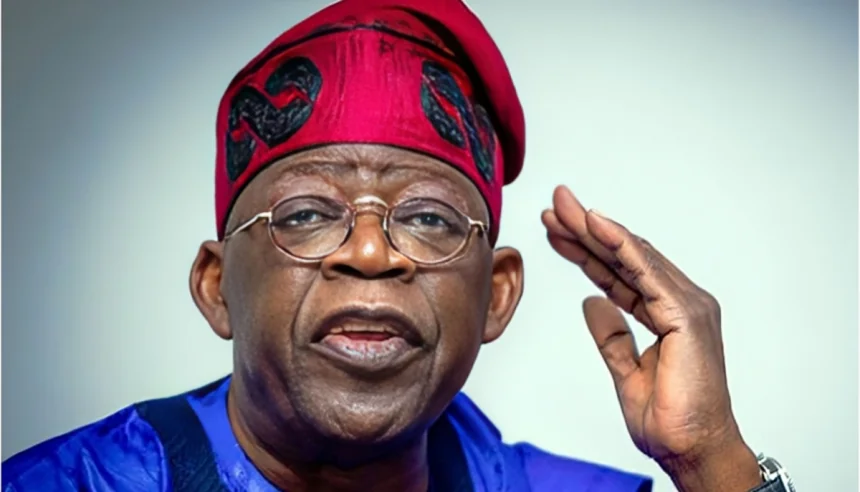
The Presidency has announced that more than 10 million Nigerians have been taken out of multidimensional poverty through government investment in infrastructure.

Sponsored Ads
Special Adviser to the President on Economic Matters, Tope Fasua, made this known in an interview on Tuesday. He said infrastructure development remains central to tackling poverty beyond income, noting that access to roads, electricity, water, education, and healthcare directly improves living conditions.
RELATED STORIES
Related Posts

LIST OF APPLICATIONS FOR REGULARISATION OF AREA COUNCIL LAND DOCUMENTS NULLIFIED/CANCELLED BY THE HONOURABLE MINISTER OF FCT
Fasua explained that multidimensional poverty stems from the absence of basic services rather than lack of money alone. He stressed that projects in roads, power—including renewable energy—schools, and hospitals are the strongest tools to reduce hardship.
LIST OF APPLICATIONS FOR REGULARISATION OF AREA COUNCIL LAND DOCUMENTS NULLIFIED/CANCELLED BY THE HONOURABLE MINISTER OF FCT
Although Nigeria has not updated its multidimensional poverty index since 2022, Fasua said his own estimates show a considerable drop in the number of citizens living without essential services. He placed the figure at about 10 million people who may have been positively impacted since ongoing investments began.
He added that President Bola Ahmed Tinubu’s administration is sustaining efforts in infrastructure spending to further cut poverty levels. According to him, continuous investment in social and economic facilities is the only way to ensure lasting progress for millions of Nigerians.

Comments are closed.