

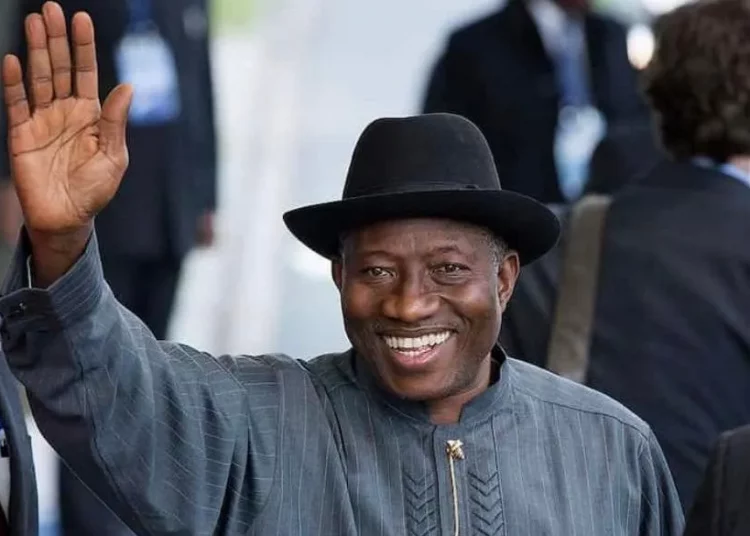
Former President Goodluck Jonathan is facing mounting pressure to abandon a potential 2027 presidential run, as questions over his political base, party ties, and alliances continue to cloud his chances.
Sponsored Ads
Jonathan has been mentioned among possible southern challengers to President Bola Tinubu, with northern politicians pushing for his return on the premise that he would serve only one term, allowing power to swing back to the North in 2031. But the former leader appears increasingly reluctant, as his once-strong support base has fragmented and his influence within the Peoples Democratic Party has waned.
Sponsored Ads
The PDP, which propelled Jonathan from deputy governor of Bayelsa to the presidency after Umaru Musa Yar’Adua’s death in 2010, no longer provides him with a solid platform. Since losing to Muhammadu Buhari in 2015, Jonathan has distanced himself from the party. Analysts note that while Tinubu and Atiku Abubakar nurtured and expanded their political networks after leaving office, Jonathan has not maintained such structures, leaving him without a machinery capable of driving a nationwide campaign.
Northern power brokers, including former Jigawa governor Sule Lamido, are lobbying him to return, while others in the party argue that he remains their best option if the presidential ticket is zoned to the South. Some suggest a Jonathan–Bala Mohammed ticket, though doubts remain over whether the PDP would welcome him back wholeheartedly. Critics warn that many of those urging him to run were among those who undermined his 2015 bid.
RELATED STORIES
Related Posts
Within his home region, Jonathan’s once reliable South-South bloc has splintered. Key figures such as FCT Minister Nyesom Wike now align with Tinubu and the APC, while other states in the zone lean towards the ruling party. Even Bayelsa, his base, is seen as vulnerable to defection pressures. This leaves him with few strong allies across the political landscape.
Party insiders say Jonathan has consulted Bayelsa Governor Douye Diri about the pressure, but support remains uncertain. Meanwhile, senior figures such as Senate President Godswill Akpabio and Wike are working to consolidate South-South votes for Tinubu’s 2027 re-election.
Legal experts remain divided over Jonathan’s eligibility. Some insist that constitutional amendments passed in 2018 restrict him to one more term, while others argue the law is not retroactive and does not apply to his case. They maintain that he was only elected once as president, making him legally fit to contest again.
Despite the legal leeway, Jonathan’s political strength appears weakened. His estrangement from the PDP, loss of grassroots control, and limited alliances leave many observers doubtful that he could mount a credible comeback. For now, he continues to weigh his options, but the signals suggest that remaining an elder statesman may prove more enduring than returning to the political battlefield.

Comments are closed.