

The Federal Government has declared that Nigeria will not take in deportees from the United States under a new migrant transfer policy.
Sponsored Ads
The decision comes as Washington moves to send foreign nationals, including those convicted of crimes, to third countries when their home nations refuse to accept them.
Sponsored Ads
The move follows a ruling by the US Supreme Court in June 2025 that gave the Trump administration the legal backing to enforce the policy. It allows the US to relocate such migrants to other nations that agree to accept them, even if those migrants have no ties to the receiving country. Some African nations, such as Rwanda, Eswatini, and South Sudan, have already signed agreements with Washington to receive such individuals.
RELATED STORIES
Related Posts
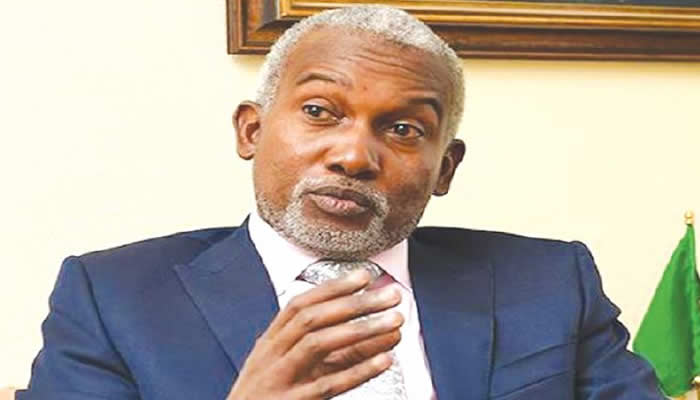
Nigeria’s Foreign Affairs Minister, Yusuf Tuggar, said the country will not be part of any such deal. He explained that Nigeria is already dealing with complex internal security and economic challenges and cannot take in people with no links to the country. The government believes that accepting such deportees would create unnecessary risks and strain national resources.
Under the US plan, some migrants, including Venezuelans convicted of crimes, could be sent to African nations willing to accept them. This has raised concerns among security experts, who warn that it could expose receiving countries to people with unclear backgrounds.
In recent years, Washington has tied visa conditions to countries’ cooperation on deportations. Nigeria already faces tougher visa rules from the US, with Nigerian travellers currently limited to single-entry visas valid for three months. The Trump administration has also threatened visa bans on nations that refuse to comply with its deportation demands, citing Section 243(d) of the US Immigration and Nationality Act.
Nigeria’s refusal means it will not be among the African states taking in deportees who have no connection to the country. The government’s stance aligns with calls from retired diplomats and security analysts urging caution in accepting people whose histories and identities cannot be verified.

Comments are closed.