

The Presidency has rejected a recent Daily Trust editorial that painted Nigeria as a nation overwhelmed by hunger, describing the report as exaggerated and lacking balance.
Sponsored Ads
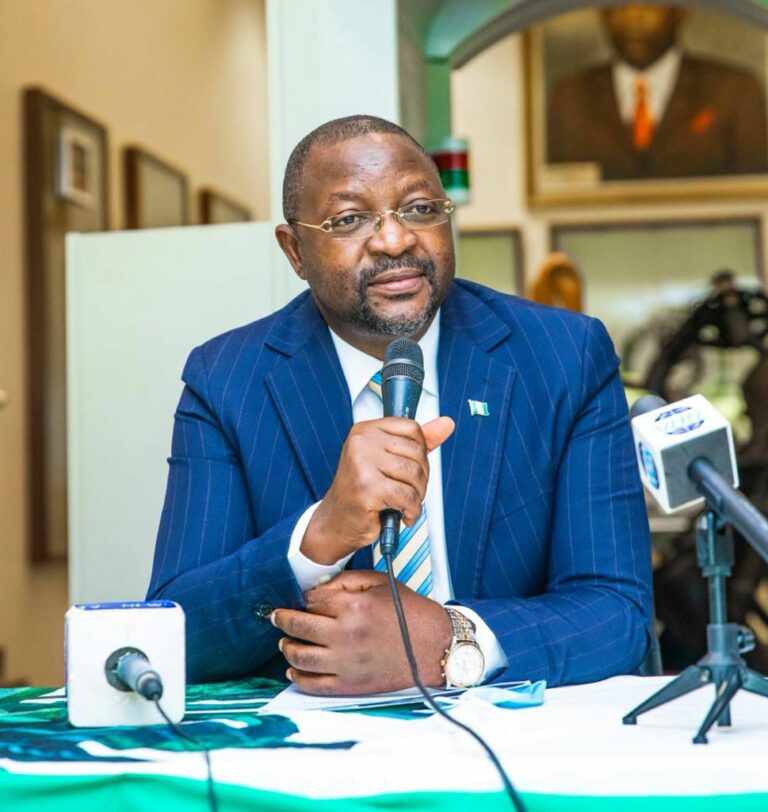
In a statement by Special Adviser on Media and Public Communications, Sunday Dare, the government said it welcomes constructive criticism but insists it must be based on facts. He accused the editorial of misrepresenting policies and recalled that the paper had apologised for similar misrepresentations in the past.
Sponsored Ads
While admitting that some Nigerians face economic difficulties, Dare urged a distinction between genuine concerns and what he called alarmist generalisations. He said many of the measures under criticism are designed to secure a more stable and prosperous future.
On hunger projections cited in the editorial, the Presidency explained that the UNICEF figure referenced actually came from the Cadre Harmonisé Food and Nutrition Insecurity Analysis. According to him, it was a worst-case mid-2025 projection assuming no interventions. He said global factors such as COVID-19, the Russia-Ukraine conflict, and Middle East tensions have worsened food systems, but the government has released over 42,000 metric tonnes of grains from reserves and provided emergency nutrition support to prevent the scenario.
RELATED STORIES
Related Posts
Addressing the naira’s value, the Presidency denied claims of a collapse, pointing to an improvement from ₦1,800 to ₦1,525 per dollar due to stronger oil receipts, remittances, and investor confidence.
On tax reforms, Dare confirmed that plans are underway to reduce and simplify taxes starting January 2026, including possible relief on food, drugs, and small businesses. He also dismissed claims that school feeding has stopped, saying nearly 10 million children are currently benefiting, alongside support for over 200,000 cooks and local farmers. He added that more than three million households have received cash transfers and that 250,000 businesses have benefited from the Presidential MSME Grant Scheme in 2025.
He noted that global food prices have been rising, with Nigeria responding through a State of Emergency on Food Security, large investments in dry-season farming, and the creation of the National Commodity Board to stabilise prices. Federal and state governments, he said, are working together on food distribution, nutrition, and market stabilisation.
Dare described current economic reforms as tough but necessary steps to stabilise the economy, reduce poverty, and achieve the goal of a $1 trillion economy by 2030. He pointed to the Renewed Hope Ward Development Programme, which targets all 8,809 wards in the country to boost poverty alleviation, food security, infrastructure, and job creation.
He concluded that the administration is not asking for silence in the face of hardship but for fairness and a shared effort to rebuild the nation.

Comments are closed.