

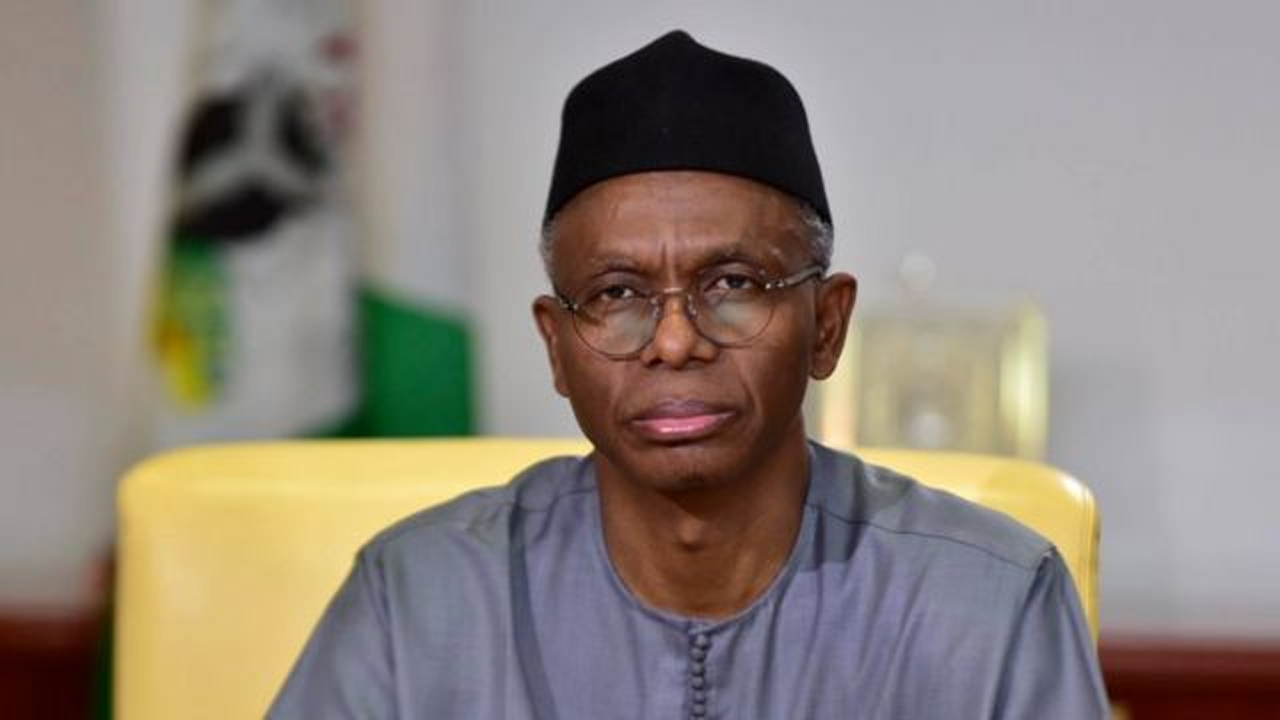
Former Kaduna State Governor Nasir El-Rufai has said he does not hold resentment against friends, associates and family members who have chosen not to support him during his current challenges.
Sponsored Ads
El-Rufai made the statement in a post on X titled “My Relationships and the Aftermath”, where he reflected on his relationships with people he had supported over the years.
Sponsored Ads
The former governor said he had stood by several individuals and causes because he believed they were worth supporting, sometimes at a personal cost. He explained that his actions were driven by his convictions rather than expectations of appreciation or a return of the favour.
According to him, people who had benefited from his support were free to decide how they wanted to respond to his present circumstances.
He acknowledged that some might speak in his support, while others could choose to remain silent or distance themselves from their previous relationships. He said he did not intend to judge people simply because their reactions were different from what he or others might have expected.
El-Rufai said difficult periods could reveal more about personal relationships and give people an opportunity to reassess their understanding of those around them.
RELATED STORIES
Related Posts
He, however, clarified that reconsidering some relationships should not be interpreted as an attempt to condemn or attack the people involved.
The former governor said he had no regrets about supporting people or causes whenever he believed his actions were right. He added that the decisions of others would not make him abandon the principles that guided his own choices.
El-Rufai also addressed the possibility of having been treated unfairly or experiencing ingratitude from people he had previously supported. He said he was not interested in seeking revenge or retaliation over such experiences.
He said he had chosen to leave questions of ultimate accountability to Almighty Allah, rather than pursuing personal retribution against those he believed had wronged him.
The former governor said people would eventually have to accept responsibility for the decisions they make and that their actions would be judged by posterity.
He added that his priority was to remain at peace with his conscience and maintain his relationship with God, regardless of how others chose to respond to his circumstances.
El-Rufai’s comments come amid discussions about his relationships with political associates and other individuals he supported during his years in public service.

Comments are closed.