

The Federal Government has explained why it removed fuel subsidy, saying the decision has freed money for projects in education, health, roads, and job creation.
Sponsored Ads
The policy, introduced by President Bola Tinubu’s administration, was described as tough but necessary to place the economy on a stronger path.
Sponsored Ads
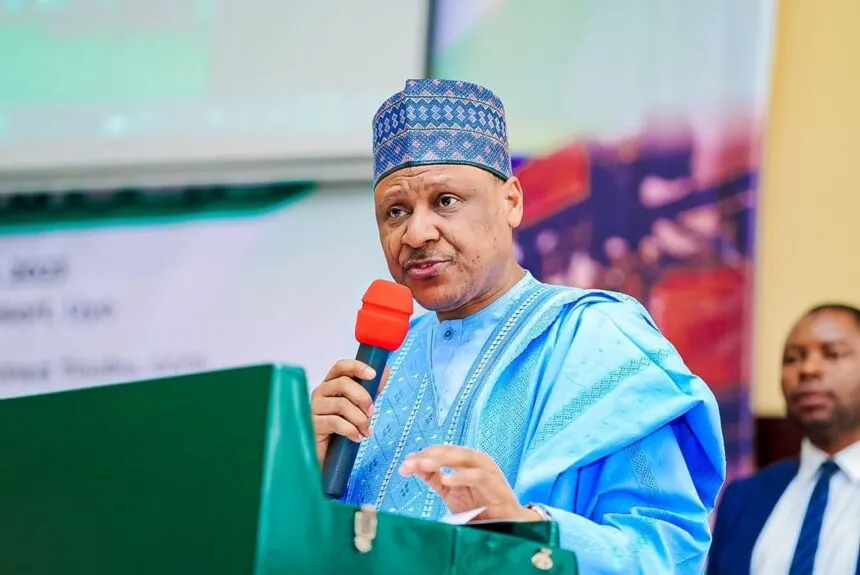
The announcement came during a sensitisation programme on the government’s mid-term performance in Minna, the Niger State capital. The event was organised to update citizens on how the administration is using the resources saved from subsidy removal and other reforms to improve living conditions.
The Minister of Information and National Orientation, Mohammed Idris, represented by Dr. Asabe Sule-Gaba, said the government is redirecting the funds into critical sectors and stability programmes. The aim is to build a fairer and more prosperous country under the Renewed Hope Agenda, which serves as the main policy framework guiding reforms.
RELATED STORIES
Related Posts
The government explained that citizens have a role to play in shaping policies and holding leaders accountable. Public engagement was described as key to ensuring that programmes are not only implemented but also supported across communities. The minister also stressed that development in the North Central region is vital, as progress in the area translates into broader national growth.
The session featured presentations from different ministries. The Federal Ministry of Works, represented by officials, spoke about ongoing road construction projects, including the Minna–Zungeru–Tegina road, the Tegina–Kontagora road, and the dualisation of the Ilorin–Jebba–Mokwa road. These projects are expected to improve transport, boost trade, and ease the movement of goods from the North to the South.
The Federal Ministry of Agriculture and Food Security also reported progress. Projects such as irrigation facilities, research programmes, and support for farmers are underway to increase productivity and create jobs. Relief materials have been distributed to displaced persons and farmers, while rice was shared with 6,000 civil servants in Niger State.
The gathering brought together a wide range of participants, including traders, artisans, market women, civil society groups, and people living with disabilities. The government said the report was not just about listing achievements but also about giving citizens a chance to respond and contribute to shaping policies that affect their daily lives.

Comments are closed.