

Japan has named Kisarazu City in Chiba Prefecture as the official hometown for Nigerians, unveiling the move at the ninth Tokyo International Conference on African Development.
Sponsored Ads
The designation comes with a special visa scheme that opens new doors for skilled workers, students, and professionals from Nigeria who want to live, work, or study in the country.
Sponsored Ads
Kisarazu is located about 70 kilometers from Tokyo and is connected to the capital through the Tokyo Bay Aqua-Line, a bridge-and-tunnel route that makes commuting to Tokyo easy. Its coastal setting offers both access to urban convenience and a quieter lifestyle compared to the bustling city center.
The relationship between Nigeria and Kisarazu goes back to the Tokyo 2020 Olympics, when Nigerian athletes used the city as a training base. That partnership has now evolved into a long-term bond, sealed by the official hometown status announced this week.
With a population of about 136,000 residents as of 2020, Kisarazu faces the same challenge as many Japanese cities—an aging society. The arrival of Nigerian workers and families is expected to help strengthen the local workforce while adding cultural diversity to the community.
Kisarazu is known for being a safe and peaceful place to live, reflecting Japan’s reputation for low crime rates and strong community policing. While petty crimes occasionally occur, violent crime remains rare, creating a secure environment that is welcoming to newcomers.
Daily life in the city combines modern and traditional elements. Residents often dress in casual clothing such as jeans and jackets, while traditional attire like kimono and yukata are mostly worn during festivals. Nigerians settling in Kisarazu may add to the cultural mix by blending African prints with Japanese styles at local events.
The local cuisine reflects its coastal identity. Egawa Beach is famous for clam harvesting, and seafood remains central to the city’s food culture. Other dishes such as ramen, udon, and festival favorites like takoyaki and taiyaki are widely enjoyed by residents and visitors alike.
Economically, Kisarazu sits within the Keiyō Industrial Zone and is home to industries including steel, chemicals, and electronics. Retail activity thrives at the Mitsui Outlet Park, while agriculture and fishing continue to support the local economy.
RELATED STORIES
Related Posts
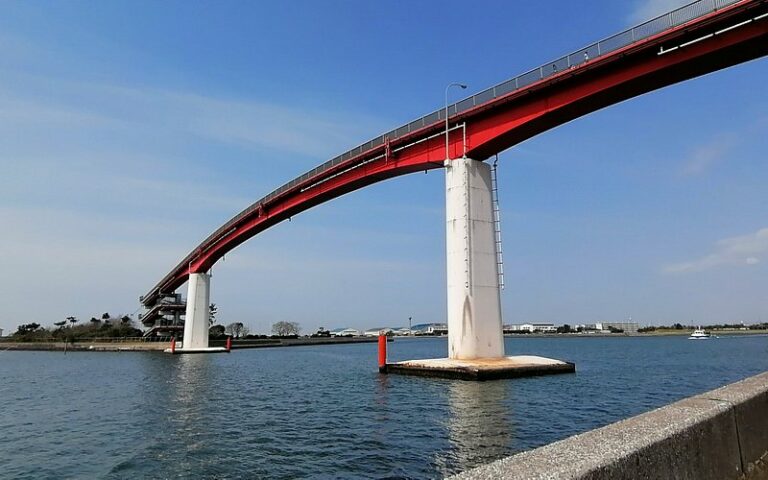
The city also has a lively cultural scene. Festivals like the Yassai Mossai dance parade and the Kisarazu Minato Port Festival draw crowds with fireworks and street performances. Landmarks such as the Nakanoshima Bridge, Japan’s tallest pedestrian bridge, and the centuries-old Kōzō-ji Temple showcase both modern attractions and deep historical roots.
For Nigerians who relocate, family life and legal matters are clearly defined. Marriage must be officially registered at city hall to be legally valid, and polygamy is not recognized under Japanese law. Nigerian citizens are required to provide proof of single status before completing marriage registration.
The yen is the official currency, with banknotes ranging from 1,000 to 10,000 yen and coins from 1 to 500 yen. This is the medium of exchange for all daily transactions, from shopping at supermarkets to paying rent.
Educational opportunities are available through institutions such as Seiwa University, Kisarazu National College of Technology, and Gyosei International School, which offers bilingual education. Healthcare is also accessible through Japan’s universal health system, with new residents required to enroll in National Health Insurance. Kisarazu City Hospital and other clinics provide medical services.
Living costs in Kisarazu are lower compared to Tokyo. Housing, groceries, and transportation are more affordable, allowing residents to enjoy urban convenience without the higher expenses of the capital. On average, the median monthly salary after tax is enough to cover basic living expenses for just over two months.
Religious life in Kisarazu reflects Japan’s traditions, with Shinto and Buddhism being the dominant faiths. However, small churches and international congregations serve Christians and Muslims, and larger mosques and churches are within reach in nearby Chiba and Tokyo, giving Nigerians opportunities to practice their faith.
The official language is Japanese, with Standard Japanese being the most widely spoken. For Nigerians relocating, adjusting to the language will be part of integrating into local life, though English is available in schools and some institutions.
Kisarazu runs on Japan Standard Time, which is eight hours ahead of Nigeria. This time difference shapes communication with family and friends back home, as daytime in Nigeria aligns with evening in Japan.
With the new hometown designation, Nigerians now have easier access to visas, jobs, and educational pathways. The partnership not only deepens cultural exchange but also strengthens ties between Nigeria and Japan, making Kisarazu a bridge between the two nations.

Comments are closed.