


Minister of the Federal Capital Territory (FCT), Nyesom Wike, has described President Bola Tinubu as the only leader currently capable of addressing Nigeria’s long-standing economic challenges, saying the President has shown the courage to take difficult decisions that previous administrations avoided.
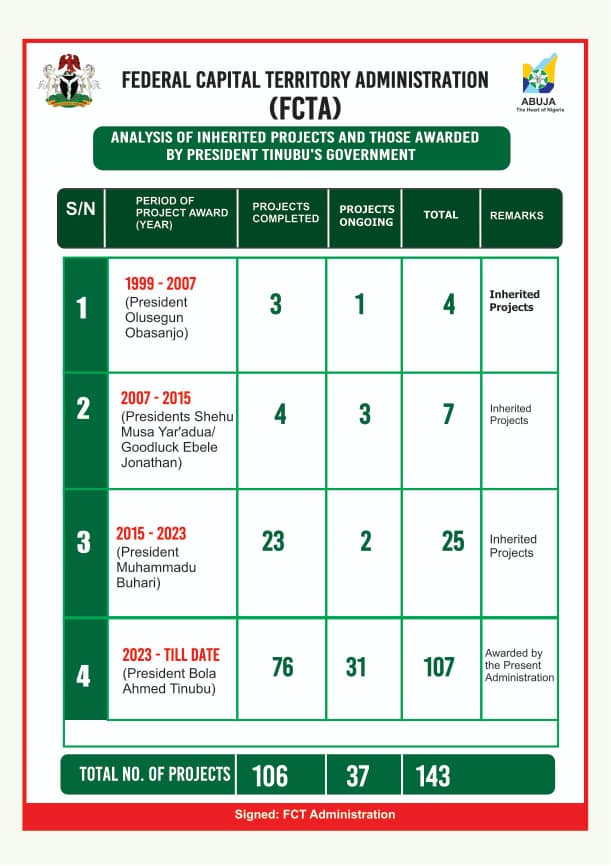
Sponsored Ads
Speaking during his monthly media briefing in Abuja on Tuesday, Wike defended the Tinubu administration’s economic reforms, particularly the removal of petrol subsidy, which he described as one of the boldest policy decisions taken by any Nigerian president in decades.
Sponsored Ads
According to the minister, although the reforms have brought temporary hardship for many Nigerians, they have improved the financial position of state governments, increased funding for infrastructure projects and reduced the need for states to borrow money to meet salary obligations.
Wike said President Tinubu should be recognised for taking responsibility and making decisions that others were unwilling to make, adding that no leader can solve problems that have built up over many years within a short period.
He noted that Nigeria’s economic difficulties developed over more than a decade and would require time before the benefits of ongoing reforms become fully visible.
RELATED STORIES
Related Posts
The minister said the former fuel subsidy system drained public resources, describing it as a major burden on the country’s finances. He recalled that during his time as governor, declining federal allocations forced many states to depend on bank loans to pay workers’ salaries.
According to him, the removal of subsidy has changed the situation by increasing revenue available to states, enabling many governors to settle pension obligations, pay salaries more comfortably and invest in infrastructure development.
Wike argued that leadership is measured by the ability to make difficult choices in the national interest rather than seeking popular approval.
He maintained that while many Nigerians had agreed for years that the subsidy regime was unsustainable, previous governments lacked the political will to end it.
The minister added that no government decision would satisfy everyone, but insisted that taking responsibility for difficult reforms remains a key responsibility of leadership.

Comments are closed.