

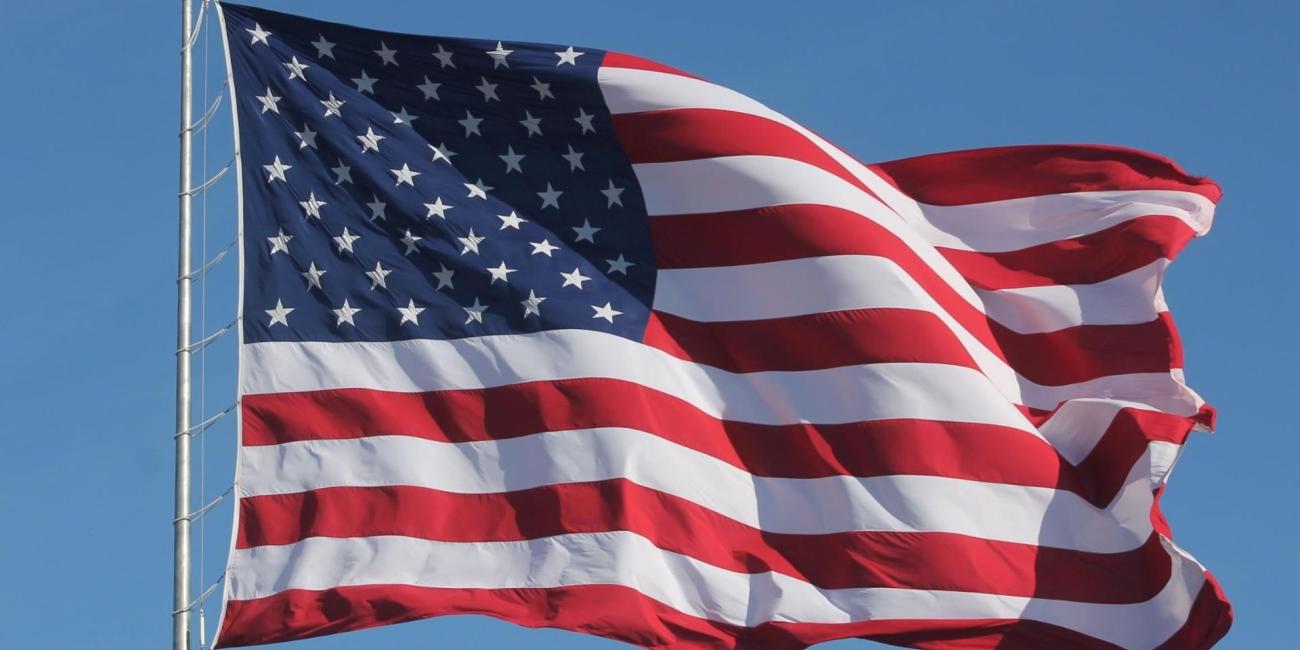
The United States military has prepared plans for potential air operations in Nigeria following an order from President Donald Trump directing the Pentagon to prepare for intervention against terrorist groups accused of targeting Christians.
Sponsored Ads
The move comes amid growing international attention on attacks by Islamist militants in northern Nigeria and increasing calls from religious groups in the U.S. for Washington to act.
Sponsored Ads
According to reports, the U.S. Africa Command (AFRICOM) has submitted a series of military options to the Department of War in response to a request by Secretary Pete Hegseth. The plans, classified into “heavy,” “medium,” and “light” categories, offer different levels of military engagement depending on political approval and operational risk.
The most extensive proposal, described as the “heavy option,” includes the deployment of an aircraft carrier strike group to the Gulf of Guinea, supported by U.S. fighter jets and long-range bombers that could target militant strongholds across northern Nigeria. This plan represents the most aggressive U.S. military response and would mark a major escalation in American involvement on the African continent.
The “medium option” centres on drone warfare using MQ-9 Reaper and MQ-1 Predator drones to strike terrorist camps and vehicle convoys. These drones would be guided by U.S. intelligence networks tracking insurgent movements to ensure precision and limit collateral damage. The “light option” focuses on intelligence cooperation, logistics, and joint operations with Nigerian security forces, aimed at improving local capacity to combat Boko Haram and other extremist groups.
RELATED STORIES
Related Posts
While the Pentagon has drafted the plans, senior military officials privately admit that airstrikes alone would not bring an end to Nigeria’s long-running insurgency unless the U.S. commits to a prolonged ground campaign similar to those in Iraq or Afghanistan — a scenario that Washington policymakers are unwilling to consider.
President Trump has publicly stated that his administration will not ignore the situation if attacks on Christians continue. He insisted that the United States is ready to act to protect religious minorities worldwide and accused militant groups of committing atrocities under the cover of religion.
China has openly rejected the idea of American military involvement in Nigeria, saying it stands firmly with the Nigerian government. Beijing maintained that external powers should not interfere in Nigeria’s internal affairs or use human rights as a pretext for military intervention. The Chinese Foreign Ministry reaffirmed its support for Nigeria’s sovereignty and stability, describing the country as a strategic partner.
The Nigerian government has also reacted strongly to the reports of potential U.S. strikes. Presidential aide Daniel Bwala said Nigeria will not accept any foreign military deployment on its soil, insisting that the nation’s armed forces are capable of handling internal security challenges. He dismissed claims of state-backed persecution of Christians as politically motivated misinformation spread by groups trying to sway U.S. policymakers.
Bwala added that while Nigeria welcomes international support through intelligence and equipment supply, it will not tolerate any action that undermines its territorial integrity. The Tinubu administration, he said, remains focused on strengthening local security capacity and addressing the root causes of insurgency through economic and social reforms.
As tension builds, global attention now turns to Washington for clarity on whether the U.S. will proceed with any form of military action. The situation presents a complex diplomatic challenge, with Nigeria urging respect for its sovereignty, China warning against intervention, and the U.S. government weighing options amid domestic and international pressure to act.

Comments are closed.