

Ijaw leaders have asked the National Assembly to create two new states and add 33 more local government areas in Bayelsa as part of the ongoing constitutional review.
Sponsored Ads
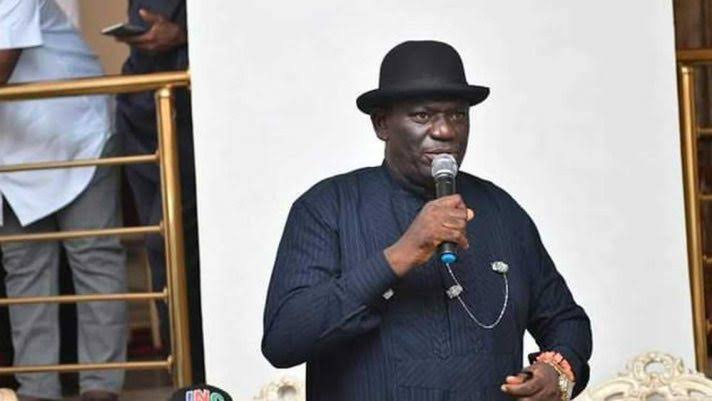
The demand came from the Ijaw National Congress (INC) during a public hearing held by the House of Representatives Committee on Constitution Review for the South-South zone. INC President-General Benjamin Okaba led the call, saying the move is necessary to correct years of political and economic neglect of Ijaw communities across the region.
Sponsored Ads
According to the INC, the two proposed states — Toru-Ebe and Oil Rivers — would bring together Ijaw-speaking groups currently spread across Delta, Edo, Ondo, Rivers, and Akwa Ibom states. The group argues that these communities, though united by language and culture, have been split across multiple states and denied proper representation and development.
Okaba explained that Toru-Ebe state would be formed from Ijaw clans in Delta, Edo, and Ondo, while Oil Rivers would include Ijaw areas in Rivers and Akwa Ibom. He said these areas have suffered from underdevelopment despite being major oil-producing zones. Many lack basic infrastructure like roads, schools, hospitals, and clean water, and some communities are at risk of losing their culture due to isolation.
The INC believes that creating these states would give Ijaw people a better chance at self-determination, development, and political participation. Okaba cited the example of Ijaw communities in Edo State where residents struggle to even be elected as local councillors due to their minority status.
RELATED STORIES
Related Posts
He also warned about the growing threat of cultural extinction in some areas, adding that with a dedicated state, the Ijaw heritage, environment, and economy could be revived. He named Isaka Town in Rivers State as the proposed capital of Oil Rivers, saying it is rich in natural resources like oil, gas, fisheries, palm oil, and tourism.
In addition to new states, the INC also demanded 33 more local government areas for Bayelsa State. Okaba argued that the current number — just eight LGAs — is unfair given the state’s oil wealth and contributions to national revenue. Bayelsa produces between 35% and 45% of Nigeria’s oil, yet receives the same or less representation than smaller, less productive states.
He said this imbalance affects resource allocation, development, and political equity. According to 2020 data, Bayelsa had a GDP of $4.3 billion and a GDP per capita of $1,773, mostly driven by oil and gas. Okaba called for a system that reflects the state’s economic weight and importance in Nigeria’s energy goals, especially its role in meeting the OPEC production target of 2.06 million barrels per day.
The INC also raised concerns about environmental degradation in Ijaw areas due to decades of oil spills and gas flaring. They called for serious remediation efforts and stronger control over local resources, including taxes and royalties, so that Ijaw communities benefit more from what they produce.
On the broader constitutional structure, the group wants Section 3(1) of the 1999 Constitution amended to allow for a more regional system. They proposed reorganizing the country into 10 federating units instead of the current six geopolitical zones, which they believe would better reflect Nigeria’s diversity and promote fairer representation.
The National Assembly said it had received 46 proposals for new states and 117 requests for additional LGAs from across the country. These submissions are now being considered as part of the constitutional review process.

Comments are closed.