

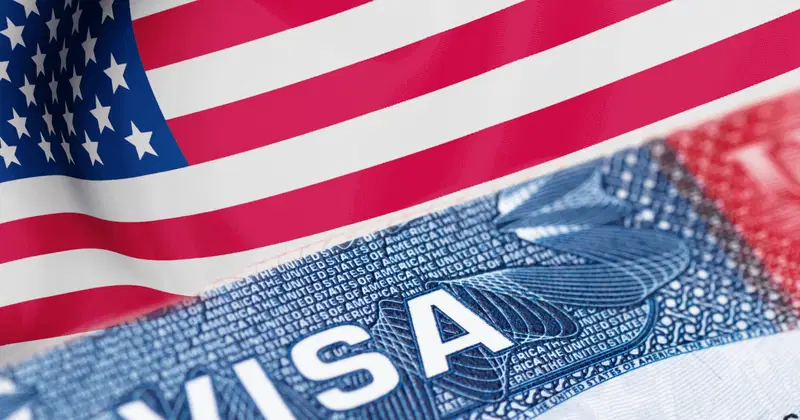
The United States government has reduced visa validity for Nigerian travelers from five years to just three months, a move that is expected to make things harder for frequent travelers, especially students, entrepreneurs, and those in the tech industry.
Sponsored Ads
The new rule takes effect from July 8, 2025, and replaces the previous multiple-entry visa with a single-entry permit.
Sponsored Ads
The change was announced by the US Mission in Nigeria, and though it was initially explained as a response to visa reciprocity, the US later said the decision was part of a global review to meet updated technical and security standards. The embassy also clarified that the new policy is not related to Nigeria’s ties with countries like Venezuela or the BRICS alliance.
Many Nigerians rely on US visas for academic programs, technology exchanges, and business trips. The new three-month restriction means they will now have to reapply and pay fresh visa fees more frequently. This is expected to create fresh burdens on travelers who are already navigating a slow and often difficult visa application system. For some, getting an appointment alone can take several months, making urgent travel almost impossible.
Nigerian officials have pushed back against the decision. The Minister of Foreign Affairs has linked the policy shift to Nigeria’s refusal to accept deported Venezuelan citizens from the US, although the Nigerian mission in Washington denied this. Other officials say the move is unfair and not in line with the current visa terms Nigeria offers to American citizens.
The development has sparked concern among former diplomats. One of Nigeria’s retired ambassadors to the US said the decision will hit Nigeria harder than it does the United States. He explained that while very few Americans travel to Nigeria, thousands of Nigerians go to the US for education, health, and business. He warned that the shorter visa duration could lead to more corruption in the application process and higher financial pressure on ordinary citizens.
RELATED STORIES
Related Posts
The new visa rule is expected to affect several sectors. Students may now face delays and extra costs when renewing their visas. Tech professionals who attend events or work with US companies might find it harder to travel freely. Businesspeople who need to visit the US frequently for meetings, trade, or deals will also have to adjust their schedules and finances.
Observers believe Nigeria’s weak position in international trade and investment has contributed to this kind of treatment. Unlike countries like South Africa, which host thousands of American companies, Nigeria has fewer formal ties with the US business community. This weak economic connection makes it harder for Nigeria to negotiate better visa deals.
To ease the pressure, many are calling on the Nigerian government to take immediate steps. One suggestion is to open a direct conversation with the US on restoring the five-year visa deal. Another is for Nigeria to clean up its visa and immigration system to meet international expectations and avoid similar actions from other countries.
There is also a wider call for Nigeria to look beyond traditional partners and build stronger relationships with Asian countries. India, for example, has over 200 companies operating in Nigeria. Japan and South Korea also have a growing presence. With fewer American and British firms investing in the country, some believe it’s time for Nigeria to shift its focus to new allies who are already doing business locally.
Many believe that Nigeria’s long-term solution lies in production and export. Experts say the country must improve what it offers the world beyond oil. This means supporting local industries, creating jobs, and increasing the value of goods exported abroad. A stronger local economy, they say, is the only way Nigeria can build real partnerships and gain respect on the global stage.
As the new visa policy takes effect, pressure is mounting on the Nigerian government to act quickly. If no solution is found, many Nigerians may find their dreams of studying or working in the US delayed or denied, simply because of a policy change beyond their control.

Comments are closed.