
Tinubu Praised as Nigeria Steps Up Asset Recovery and Anti-Corruption Drive

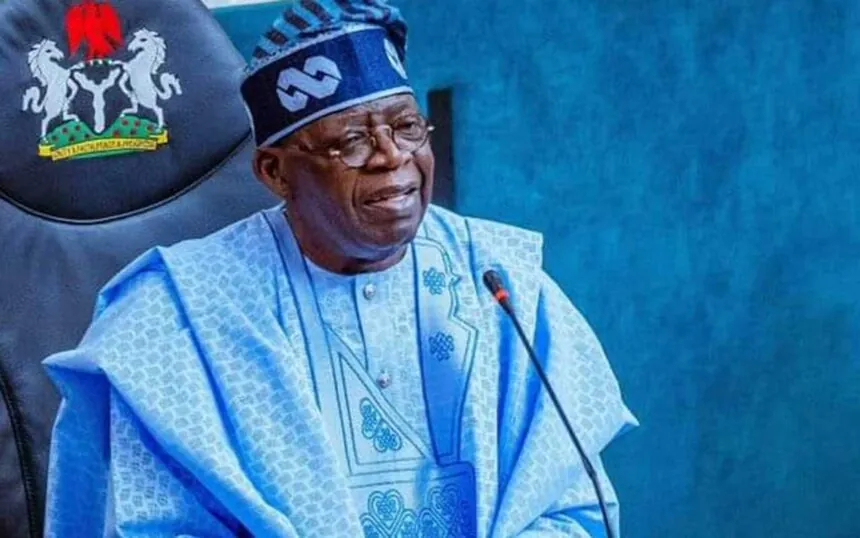
The Inter-Governmental Action Group Against Money Laundering in West Africa (GIABA) has praised President Bola Tinubu’s government for taking firm action against corruption by pursuing high-profile public officials and retrieving assets acquired with stolen funds.
Sponsored Ads
This recognition came during a national conference on public accounts and fiscal governance in Abuja, where GIABA’s Director General Edwin Harris pointed to recent developments, including the seizure of a massive housing estate in Abuja allegedly linked to former Central Bank Governor, Godwin Emefiele. The recovered property is considered the largest real estate confiscation in Nigeria’s history.
Sponsored Ads
The move is part of broader efforts by Nigerian authorities to curb financial crimes and recover assets looted from the public treasury. GIABA noted that retrieving these assets not only cuts off criminals from their illicit wealth but also redirects those resources into the economy where they can benefit the public.
Nigeria recently enacted a law known as the Proceeds of Crime Act, which lays the foundation for tracking, seizing, and managing stolen assets. GIABA stressed the need to enforce this law fully and swiftly, urging Nigerian investigators to focus on identifying and freezing assets early in their probes rather than waiting until cases are concluded.
The group also commended Nigeria’s progress in ensuring corporate transparency. Over the last two years, the Corporate Affairs Commission has expanded its registry of beneficial ownership from under 15 percent of companies to nearly 70 percent. It also removed over 170,000 dormant or non-compliant companies and sanctioned more than 19,000 others for failing to disclose their true owners.
These reforms are part of global efforts to make it harder for corrupt individuals to hide behind anonymous companies. GIABA warned that the work isn’t done yet, and Nigerian authorities must continue cleaning up company records, ensuring the ownership data is reliable, verified, and accessible to regulators and, where necessary, the public.
RELATED STORIES
Related Posts
While there has been visible progress, Harris pointed out that Nigeria is still listed on the Financial Action Task Force (FATF) “grey list,” which includes countries under increased monitoring due to gaps in anti-money laundering enforcement. According to him, overlapping roles among Nigerian agencies, delays in investigations, and poor information sharing are slowing down results.
He encouraged stronger collaboration between agencies, including the Financial Intelligence Unit, anti-corruption agencies, and prosecutors. He recommended joint task forces and regular meetings to coordinate work on priority cases, especially those involving large sums and high-level figures.
The conference also addressed the need for stronger sanctions. GIABA expressed concern that enforcement in Nigeria is sometimes too lenient, especially when politically connected individuals are involved. It warned that inconsistent punishments weaken public confidence and allow corruption to thrive. Authorities were urged to ensure penalties are tough enough to deter others and applied equally, regardless of status.
Special courts recently introduced to speed up corruption cases were seen as a step in the right direction. With more training for judges and prosecutors, Nigeria is expected to improve how quickly and fairly financial crime cases are handled.
Finally, the GIABA boss called on the National Assembly, state parliaments, and public auditors to stay involved in the fight. He praised the current wave of legislative scrutiny over public spending, especially through audit reviews and follow-up investigations. These checks and balances, he said, are crucial for building a transparent government.
Though challenges remain, the message was clear — if Nigeria keeps up the pace and ensures reforms lead to real changes on the ground, it could exit the grey list and gain more credibility in the global financial system.

Comments are closed.